I thoroughly enjoyed my solo trip to Kamakura.
Walk wherever your heart takes you.
I gazed at my favorite scenery,
I'm choosing a souvenir for myself.
You can only find this in Kamakura.
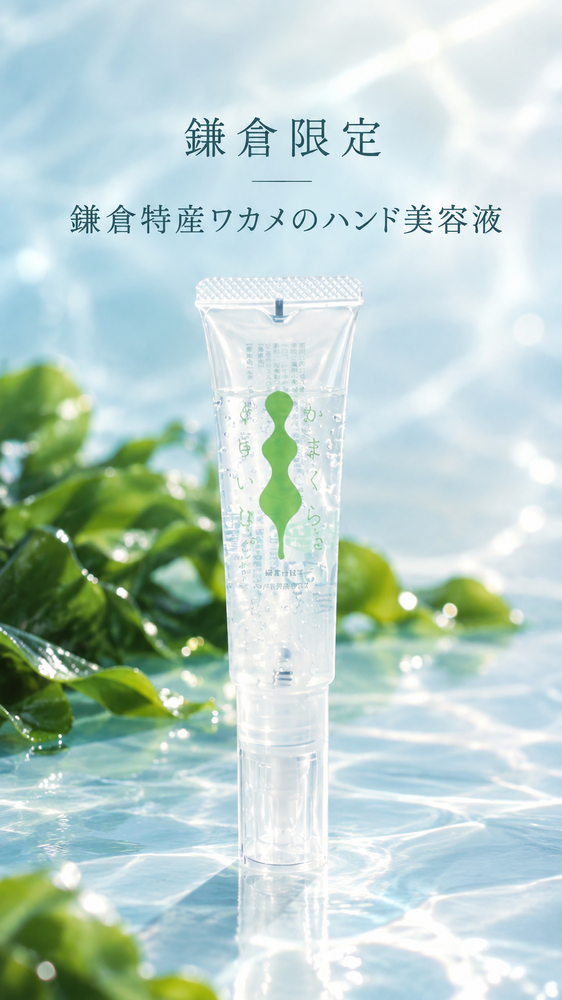
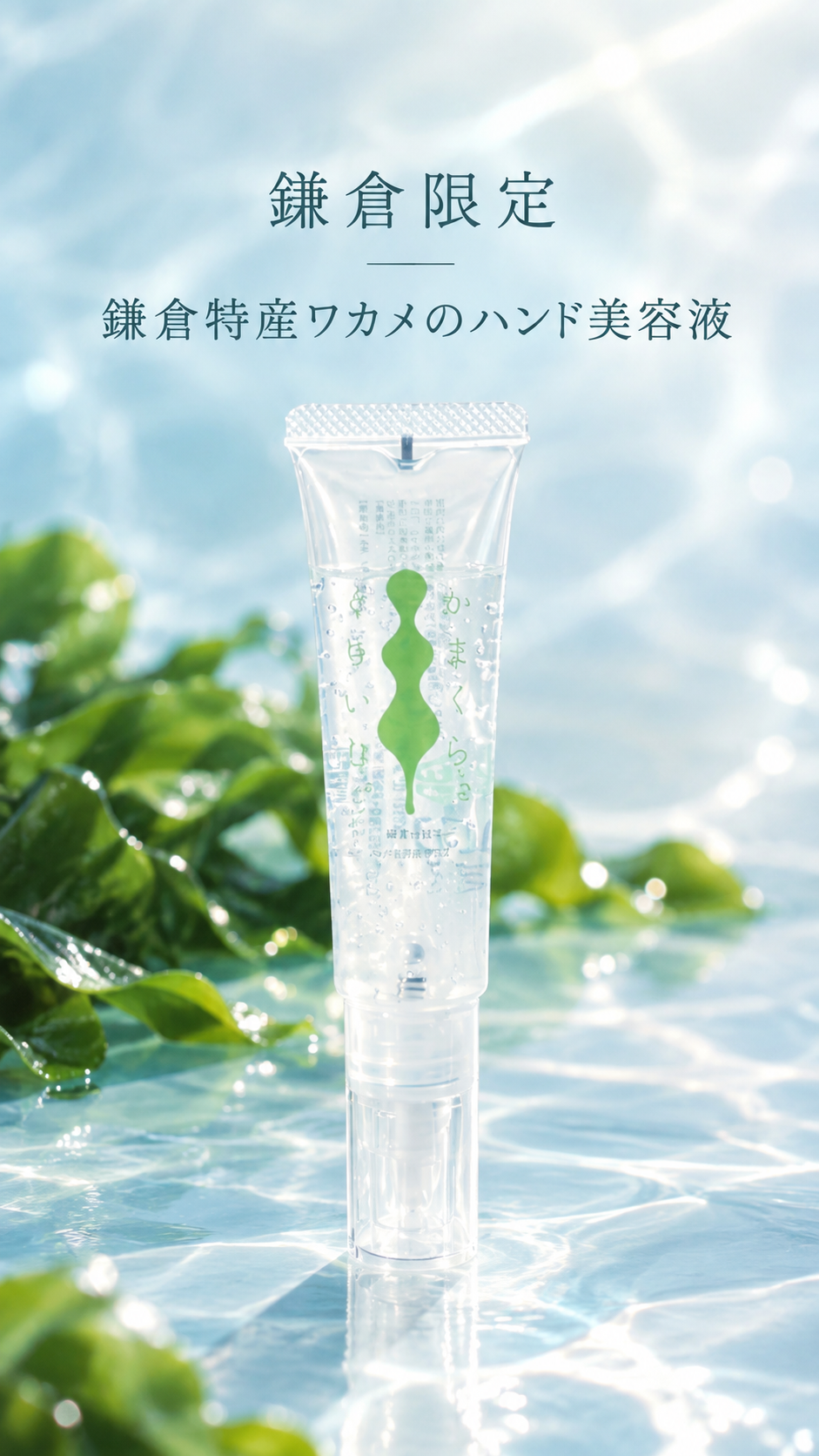
How about a slightly special hand serum?
Contains natural wakame seaweed extract from Kamakura.
Fragrance-free hand serum.
The packaging is made from 70 different artworks.
You can choose your favorite design.
Along with travel memories,
Take home some Kamakura art.
A small shop, with only one item in stock.
"Snow hut, cream."
Hand serum specialty store
Only available in Kamakura
This is a hand serum available exclusively in Kamakura.
#Kamakura #KamakuraSoloTrip #KamakuraSightseeing #KamakuraSouvenirs #KamakuraLimited #KamakuraWalk #SoloTravel #SouvenirForMyself #HandSerum #KamakuraCream
Reasons why you can enjoy a solo trip to Kamakura at your own pace, even if it's your first time.
The appeal of visiting Kamakura alone is that you can decide your own destinations and rest times. You can leisurely admire temples and shrines, or take detours down intriguing alleyways, all without having to accommodate anyone else. First, let's look at some ways to enjoy solo travel and some basic things to keep in mind before you depart.
A solo stroll through Kamakura and a visit to temples and shrines – a truly unique experience.
The charm of walking around Kamakura alone lies in not having a rigid schedule and being able to stop at places that catch your eye at the time. When traveling with someone else, you often have to discuss walking speed and when to take breaks, but when you're alone, you can use your own mood as your guide. You can listen to the sound of trees swaying in the temple grounds, or admire the carvings on the buildings and the flowers in the gardens, and slowly take in the scenery before you.
When visiting temples and shrines, it's recommended to cherish the time spent at each location rather than trying to visit many places. After paying your respects, simply reading the information on the temple grounds and noticing the scenery that changes with the seasons can deepen your impression of your stay. If you take photos, check whether photography is permitted in the area and be careful not to disturb other visitors. If you want to enjoy the tranquility, check the opening hours and busy times in advance and visit with plenty of time to spare so you can have a more peaceful experience.
If you come across an unexpected alley or shop while strolling around, it's a unique experience of solo travel to check your route and return time before making a detour. However, it's important to avoid entering residential areas or private property and to follow traffic signs. Taking breaks before you get tired and noting down places where you can buy drinks or sit down will give you peace of mind.
Some people might think that visiting temples and shrines alone sounds a little lonely, but one of the charms of a solo trip to Kamakura is being able to use quiet time for yourself. Walking at a leisurely pace and finding scenery that leaves a lasting impression will lead to a Kamakura experience that is uniquely yours.
Things to consider before deciding whether to make it a day trip or an overnight trip: the purpose of your trip
When planning a solo trip to Kamakura, deciding whether to make it a day trip or an overnight stay depends not only on the number of places you want to visit, but also on the kind of time you want to spend. If your main purpose is to visit one or two temples and shrines, and enjoy strolling around town and dining, a day trip will be sufficient. On the other hand, if you want to walk along the beach in the evening, experience the quiet town in the morning, or have time for experiences and shopping, choosing an overnight stay will give you more flexibility in your schedule.
When organizing your travel objectives, instead of trying to fit every place you want to go into your schedule, try choosing one or two things you're particularly looking forward to. For example, if your main focus is leisurely viewing temples and shrines, a day trip with a limited travel area would be suitable. If you want to relax and enjoy meals and experiences, you can consider an overnight stay after checking travel times and opening hours. Kamakura can take longer to get around than it appears on a map due to traffic congestion and hills. Rather than increasing the number of places you visit, leaving time for breaks and detours will help you avoid rushing.
Your budget and return time are also factors to consider. For a day trip, you can focus on transportation and food costs, but you might be concerned about the return time and find it difficult to make plans for the evening. For an overnight trip, accommodation costs will be added, so consider the location of the accommodation and whether or not meals are included. When people ask for advice on whether a day trip is sufficient, it's helpful to lay out the places you want to visit on a map and estimate the time required, including travel and breaks. It's best to consider the length of your trip not in terms of how many sights you can visit, but in terms of how you want to feel when you return.
How to create a manageable itinerary for your first solo trip to Kamakura
Kamakura has many sights to see, and even places that look close on a map can take time to get around due to hills and crowds. To avoid overscheduling, it's important to group the places you want to visit by area and allocate time for breaks in advance. Here, we'll introduce how to plan a day trip and an overnight trip.
For a day trip, narrow down the area and create a model walking course.
For a day trip to Kamakura alone, it's best to limit your choices to one or two walking areas rather than trying to select too many places from a wide area, which will help you avoid feeling rushed. For example, visiting one temple or shrine around Kamakura Station in the morning, and then strolling along Komachi Street and the surrounding alleys after lunch, combines quintessential Kamakura scenery with a walk through the town. If you want to walk along the coast, it's better to decide which will be the focus of your trip before cramming it all into the same day as your temple and shrine visits.
Before you depart, check not only the location of your destination, but also its opening hours, closing days, and the route from the nearest station. Even if it looks close on a map, hills and crowds can add up to a longer journey than expected. Once you've decided on your destinations, consider visiting places far from the station first and returning to the area around the station on your way back, so you don't have to go back and forth along the same path multiple times. In addition to walking time, factor in time for visiting shrines, eating, and resting to create a more manageable plan.
The key point is that the model course isn't meant to be a strict schedule where you have to visit every single place, but rather a guide to help you when you're unsure what to do. If a restaurant is crowded at lunchtime, or if you end up spending more time than expected at a destination, you can always switch to a nearby location and give up on a more distant destination. Leave some flexibility in your schedule so you can stop and explore interesting shops and scenery that come your way.
If you're traveling alone, you can adjust your pace according to your physical condition that day, such as stopping at a cafe or rest area when you get tired of walking. It's a good idea to keep an eye on the train schedule for your return trip, but also make sure to leave some time for shopping around the station at the end. Narrowing down your destination and leaving room for changes is the key to enjoying a comfortable solo day trip to Kamakura.
For a one-night, two-day trip, incorporate the evening and the following morning into your travels.
A one-night, two-day solo trip to Kamakura offers the advantage of not only visiting many tourist spots, but also allowing you to use the evening and morning, which can often be rushed on a day trip, as travel time. On the first day, you can stroll around the temples, shrines, and town you want to visit after arriving, and in the evening, you can leisurely use the time until sunset by exploring the beach or near your accommodation. If you plan to go see the sunset, be sure to check the weather, sunset time, and return route in advance. It's also a good idea to decide on a way back to your accommodation so you don't have to walk long distances on unfamiliar roads after dark.
On the second day, plan your morning based on the location of your accommodation. If you're staying near a train station or temple/shrine, you can walk around town before the crowds start to build or explore the surrounding area before or after breakfast. However, opening times for temples, shrines, and shops vary by location, so be sure to check official information if you plan to visit early in the morning. Don't overschedule yourself to fully enjoy your morning; also allow time for getting ready to depart and packing your bags.
When choosing accommodation, consider not only its proximity to tourist attractions, but also whether you can book alone, the check-in and luggage storage conditions, and the distance from the nearest station. If you can leave your luggage at the accommodation, you can travel light, but the hours and methods vary from facility to facility. Check the conditions before booking and plan your trip, including your return train schedule and the time it takes to get from the accommodation to the station, to give yourself more flexibility on your last day.
Just because you're staying for one night doesn't mean you have to fill both days with sightseeing. You can leave one place that interests you for later and decide whether to visit it depending on the weather and how you're feeling. Maintaining your own pace while enjoying the evening scenery and the morning tranquility is key to making a one-night, two-day solo trip to Kamakura enjoyable.
Must-visit tourist spots and ways to enjoy a quiet solo trip to Kamakura
While famous temples, shrines, and beaches offer a quintessential Kamakura experience, they can be crowded at certain times of the day. For solo travelers, planning your visits to popular spots carefully and taking breaks in nearby paths and gardens can help alleviate the hustle and bustle. Let's look at some perspectives on choosing spots based on your purpose.
At shrines and temples, you can take your time to enjoy the scenery and offer your prayers.
When visiting shrines and temples in Kamakura, instead of rushing to the next place after paying your respects, take some time to savor the scenery and atmosphere of the grounds. There are things to notice if you pause for a moment, such as the trees and stone steps along the approach, the intricate designs of the buildings, and the well-maintained gardens. The appearance of flowers and trees changes with the seasons, so the same place may give a different impression depending on when you visit. It's good to research the points of interest in advance, but your trip will be more enriching if you wander around according to your own interests while reading the information boards.
The proper etiquette for visiting shrines and temples may differ. Follow the instructions at the site, and if you have any questions about the water basin or how to pray, check the posted information and act calmly. It is also important to be quiet within the grounds and to be considerate so as not to block pathways or disrupt the flow of worshippers. Regarding photography, the rules and conditions vary depending on the location. Check for signs prohibiting photography and do not enter areas where entry is restricted.
When traveling alone, you don't have to worry about keeping anyone waiting, so you can spend time in front of your favorite scenery. Besides taking pictures, you can also enjoy resting in the shade of a tree or listening to the wind and birdsong. However, please be considerate of others and avoid occupying benches and resting places within the temple grounds for extended periods.
If you plan to visit multiple temples and shrines, be sure to check not only their locations but also their opening hours, visiting hours, and travel time in advance. By not cramming too many places into your schedule and allocating sufficient time to each location, you can enjoy a more relaxed tour of Kamakura's temples and shrines. Since the ground conditions can vary depending on the season and weather, it's a good idea to wear comfortable walking shoes.
Those who want to avoid crowds should plan their timing and destinations carefully.
Popular spots in Kamakura tend to be crowded during the daytime on weekends and during peak seasons, which can lead to waiting times at stations, temples, and restaurants. If you want to avoid crowds as much as possible, try adjusting the time you visit. If you leave early in the morning and visit temples and shrines after checking their opening times, you may encounter a calmer atmosphere that is different from the daytime. Evening strolls are also an option, but it's a good idea to check the route after sunset and your return transportation in advance.
When planning your itinerary, place popular spots at the center of your day, and include nearby detours and rest areas before and after to make it easier to navigate during crowded times. If you have to wait to enter your destination, you don't have to force yourself to stand in line; you can explore the surrounding area before returning. However, be sure to check the closing times for facility receptions and visiting hours in advance and factor in the time it will take to return. When checking routes on a map, pay attention not only to the estimated travel time but also to hills and traffic volume to help you make informed decisions on site.
When looking for less crowded places, don't just rely on the idea that it's a "hidden gem"; check the road conditions and whether access is permitted. Quiet alleys can be residential areas, so it's essential to be considerate by not entering private property, not disturbing residents' lives, and not taking photos of people or houses without permission. Plans may change due to road closures or construction, so follow local directions.
If you focus too much on avoiding crowds, you'll end up walking more and getting tired. The key to enjoying a solo trip to Kamakura at your own pace is to choose one place you want to visit and leave some flexibility in the order so you can change it depending on how crowded it is. Take breaks as needed and walk at a comfortable pace.
How to choose a Kamakura lunch spot and cafe to enjoy alone without feeling self-conscious
Eating out is one of the joys of traveling, but some people find it difficult to enter restaurants alone. In such cases, a little ingenuity in your choice of restaurant—such as avoiding peak hours, checking the types of seating available, and using a combination of eating on the go and dining inside—can make things much easier. Think about what kind of break suits you best.
Choosing a restaurant for a relaxing solo lunch
If you feel hesitant to enter restaurants alone during a solo trip to Kamakura, doing a little research on the restaurant's atmosphere and how to use it before you leave can give you peace of mind. Check the restaurant's official website or map for opening hours, closing days, and lunch service times. Looking at photos and descriptions to see if there are counter seats or seats that seem suitable for solo diners can also be helpful. However, please note that the information may change, so be sure to check the latest information regarding business hours and whether reservations are required.
If you're worried about crowds, you can try having lunch a little earlier or later. Instead of sticking to popular restaurants, find a few options near the area you're exploring so you'll be better prepared if there's a long wait. When there are many people waiting outside a restaurant, check the queue instructions and how to order, and be sure not to obstruct pedestrian traffic. Once inside, follow the staff's instructions, and if you're unsure how to order, don't hesitate to ask.
Eating alone can be a good opportunity to take a break and plan your trip. You can check your next destination on a map, rest your tired feet, and spend time at your own pace. There's no need to rush your meal, but it's important to be considerate of the restaurant's situation, such as not lingering too long if it's crowded. If you choose to eat on the go, it's best to avoid eating while walking and follow the directions of the designated locations or restaurants.
The worry of "feeling out of place as a solo traveler" is a common concern when traveling alone. By understanding the types of seating available and busy times beforehand, and choosing a restaurant where you can comfortably get a table, you can more easily enjoy meals as part of your solo trip to Kamakura. Don't limit yourself to just one restaurant; keep several options in the surrounding area open.
Manners for enjoying a pleasant cafe break or eating while strolling around
To fully enjoy strolling through Kamakura, it's important to take breaks at cafes and rest areas before you start to feel tired. Walking continuously through temples, shrines, and shopping streets can put more strain on your feet than you might expect. Checking a map of potential resting spots before you set off will make it easier to find alternatives if one place is crowded. Store opening hours and closing days may change, so be sure to check the latest information before visiting.
At a cafe, follow the staff's instructions when ordering and be considerate of other customers when choosing a seat. When it's crowded, avoid occupying a seat for too long or blocking the seat next to you with your belongings; be considerate of others. It's fine to check your next destination during your break, but be mindful of the volume of your voice and how you place your belongings so as not to disturb other people's conversations or photography, which will make your experience more pleasant.
When enjoying street food, the basic rule is to eat and drink according to the instructions or designated areas provided by the shop where you purchased the food, rather than eating while walking. Stopping on busy streets can obstruct the passage of others. Take your trash, such as skewers and packaging, with you or dispose of it in the area indicated by the shop. Avoid leaving trash on the side of the road or on the premises of a facility if you cannot find a trash can.
Considering breaks as part of your itinerary will help you avoid overexertion in the later stages of your trip. Prioritize stopping when you're thirsty or tired over sticking strictly to your schedule. Spending time at a cafe or savoring local cuisine are also enjoyable aspects of a solo trip to Kamakura. Remember to be considerate of those around you and find a way to rest that suits you.
Finding hidden gems on a solo trip to Kamakura: How to navigate without being overwhelmed by crowds
Even in places considered "hidden gems," people can gather on weekends and during certain seasons. Instead of solely pursuing places with few people, it's important to adjust your visiting time and walking range to find a place where you can relax. Here are some tips for enjoying a leisurely stroll while keeping safety and consideration for the local community in mind.
Tips for finding quiet scenery near famous tourist spots
If you want to enjoy a peaceful atmosphere in Kamakura, it's better to focus on the areas around your desired tourist spots rather than searching for hidden gems far away. Even famous temples, shrines, and shopping streets experience different crowds and atmospheres depending on the time of day. By avoiding peak hours, such as visiting early in the morning or strolling around during lunchtime, you can often enjoy a more relaxed walk. Opening hours and shop operating hours vary from facility to facility, so be sure to check the latest information before you go.
When looking for a detour near your destination, don't just look at the distance on the map; also check the type of road, elevation changes, and whether there are sidewalks. You might discover a quiet landscape by taking a slightly different route, but residential areas are not always tourist destinations. Do not enter private property or restricted areas, and walk in a way that does not disturb the passage or daily life of residents. It is important to follow any signs or local regulations.
There's no need to force yourself to go down deserted roads just to seek tranquility. If you get lost or start to feel uneasy as the sun sets, it's important to be able to return to a well-lit, populated road. It's a good idea to have one or two alternative routes prepared so you can switch to another if there are road closures or congestion.
When traveling alone, you can decide for yourself how long you want to stop and admire the scenery. Don't just choose a place with few people; try to find a spot where you can comfortably enjoy the trees and townscape. When taking photos, choose a location that doesn't obstruct pedestrian traffic and be considerate of those around you by avoiding including people or houses in your shots.
Remember to prioritize safety when walking alone and be considerate of your community.
To safely enjoy walking around Kamakura alone, it's important to check your return transportation options and how to get around after sunset before you leave. If you plan to spend the afternoon at the beach or temples, check the route to the nearest station and train schedules, and plan to leave before it gets dark. When walking on unfamiliar roads, choose well-lit, busy paths and avoid going to places you haven't planned to visit.
Keep your smartphone fully charged and save maps in advance; this will be helpful when the network connection is unstable. It's also a good idea to bring a spare charger, cash, and contact information. If you get lost or feel unwell, don't force yourself to keep walking. Rest at a station or other facility with people around, and ask station staff or facility personnel for help if necessary. Cutting your trip short is also a necessary decision for a safe journey.
Near tourist attractions, there are also residential areas where local people go about their daily lives. Remember to be considerate of others by not speaking loudly, not blocking pathways, and not taking photos of houses or people without permission. It is important to take your trash with you or dispose of it in designated areas, and not enter private property or restricted areas. Stopping in the middle of the road to take pictures can obstruct pedestrians and vehicles.
While traveling alone allows you to act on your own judgment, it's also necessary to ask for help from those around you when you're in trouble. Prioritizing safety and following local directions and traffic rules will allow you to calmly enjoy the streets and scenery of Kamakura. Before you depart, plan a reasonable itinerary and check for places to rest.
Preparing for a safe and enjoyable solo trip for both men and women
The anxieties of solo travel vary slightly depending on gender and travel experience. A common helpful tip is to check transportation and accommodation information in advance and allow for flexibility in your schedule. This article introduces key points for a worry-free departure, including tips for packing light and preparing for sudden weather changes.
When choosing clothing and belongings, prioritize comfort for walking and preparedness for different weather conditions.
When traveling alone in Kamakura, you'll be doing a lot of walking around temple grounds, uphill and downhill paths, and from the station to your destination, so prioritize comfort as well as appearance when choosing your clothing. Choose comfortable, broken-in shoes, and if you're worried about blisters, bring some bandages. It's best to avoid new shoes or unstable footwear on days when you'll be walking for long periods. You'll be walking on stone steps and gravel paths within temple grounds, so be sure to wear non-slip, easy-to-move-in clothing.
Preparing for the weather is essential. Check the weather forecast before you leave, and bring a folding umbrella or rain gear if rain is expected. Since using an umbrella can easily hit people on crowded streets, choose your rain gear according to the situation, especially in crowded areas. Depending on the season, you may also need to prepare for sun exposure and temperature changes. Bringing a hat, drinks, and a light jacket will allow you to adjust as you feel hot or cold, making it easier to continue your stroll.
Pack only essentials for your trip, such as your smartphone, charger, wallet, drinks, and any necessary medications. Since heavy luggage increases the burden of walking, avoid packing too many extra items and choose a bag that leaves both hands free. Check the facility's guidelines beforehand to see if any special attire is required when visiting temples or shrines. Dressing appropriately and respectfully will help you feel more at ease and comfortable.
Allow yourself some flexibility to shorten your itinerary in case the weather suddenly changes or you get tired from walking. Carefully selecting what you need and being prepared to adjust according to your physical condition and the situation on the day will lead to a more comfortable solo trip.
Decide what to do if you get lost or your plans fall through.
When traveling alone in Kamakura, it's helpful to have a plan in place for what to do if you get lost or things don't go according to schedule. Before you leave, check the locations of your accommodation and tourist spots on a map, as well as the nearest train station and your return transportation options. To prepare for unstable internet connections, you can save important maps on your device or write down the addresses and names of your destinations and facilities. To conserve your smartphone's battery, adjust the screen brightness and carry a spare charger.
If you feel lost, stop in a place where you won't obstruct traffic and check your current location, rather than continuing to look at your map while walking. Check the signs around you and the station signs, and if you still can't figure it out, ask a station attendant or facility staff member for directions. It's safer to go back to a familiar route than to venture deep into residential areas looking for a shortcut. When it gets dark or in areas with few people, prioritize choosing well-lit, well-lit streets.
When your plans change, don't try to visit every single destination. It's important to prioritize your favorite places and skip others. Depending on the situation—long waits due to crowds, heavy rain, or feeling more tired than expected—take a break nearby or head home earlier. Checking the closing times of your destinations and your return train schedule will make it easier to decide on your next course of action.
When traveling alone, it's important not to consider changing your plans a failure, but rather to adjust them according to your physical condition and the weather. Having the option to rest, go home, or consult someone if you feel unwell will allow you to enjoy exploring Kamakura with peace of mind. Leave some flexibility in your itinerary to make it easy to change.
Answering frequently asked questions from customers: Our approach to accommodations, hot springs, and encounters.
Questions like "How do I find accommodation for one person?" and "Can I enjoy hot springs in Kamakura?" are common when planning a solo trip. Since suitable options vary depending on the time of year and budget, it's reassuring to know how to check the conditions rather than relying solely on the facility name. We'll also offer practical advice regarding meeting new people.
When choosing accommodation for a solo trip, consider location, single-occupancy policies, and return route.
When choosing accommodation for a solo trip to Kamakura, don't just consider the price; make sure it's conveniently located for easy return after sightseeing. Don't judge the distance from the station solely by its proximity on a map; also check the lighting of the streets, whether there are any hills, and how long it will take to walk there with luggage. If you plan to explore until the evening, research transportation options for your return trip and the surrounding area of your accommodation. The location of your accommodation will also affect your range of activities the following morning, so consider the places you want to visit on your second day when making your choice.
Before booking, check if there are plans available for single occupancy, whether meals are included, the latest check-in time, and the time you can leave your luggage. Conditions vary depending on the facility, and information on booking sites may not be up-to-date, so it's best to check the latest information on the hotel's official website. Reading about cancellation policy and change conditions in advance will reduce anxiety if your plans change.
When deciding on accommodation, don't just prioritize proximity to the tourist area; compare options based on factors like ease of getting back and a comfortable environment. While reviews can be helpful, individual experiences vary, so it's best to focus on specific information such as facilities and usage conditions.
If you feel uneasy about staying alone, you can inform the accommodation of your expected arrival time and plan your itinerary so that you don't arrive late at night. Checking the location, solo occupancy policies, and ease of return in advance will allow you to enjoy your time in Kamakura without being preoccupied with accommodation worries.
When it comes to hot springs or meeting new people while traveling, don't have overly high expectations; prioritize safety.
If you want to add a hot spring bath to your solo trip to Kamakura, be sure to check the destination and travel time in advance, as they may not all be located within Kamakura city limits. If you plan to travel to a nearby area, you will also need to check train and bus schedules and the route from the facility to the station. Opening hours, closing days, whether day-use bathing is available, and reservation and usage conditions vary from facility to facility. Check the latest information on the official website and consider whether it can be easily incorporated into your sightseeing plans. If travel takes a long time, it's a good idea to reduce your planned temple visits and city walks to give yourself more flexibility.
When it comes to meeting people while traveling, try not to have overly high expectations beforehand, and focus your plans on things you're looking forward to, such as sightseeing and dining. While natural interactions can happen at shops and in places where you can experience things, it's not guaranteed that you'll meet someone. If you do interact with someone, respect their wishes and avoid easily sharing personal information or details about your accommodation. If you do meet someone for the first time, it's important to choose a public place and make sure you have your own way back.
Don't make hot springs or meeting new people the main purpose of your trip. Instead, consider them as options if they interest you, which will help keep your plans flexible. Prioritize safety, check facility usage guidelines and transportation information, and choose activities that make you feel comfortable. Even on days when things don't go as planned, planning to enjoy the scenery of Kamakura or simply spending time alone will contribute to a more satisfying trip.
How to choose shopping, experiences, and souvenirs to make your solo trip to Kamakura even more enjoyable.
At the end of your trip, it's not just photos that remain. Choosing items that caught your eye or participating in short experiences will make the memories of the day even more vivid. This article summarizes how to choose things to enjoy without over-scheduling, while checking opening hours and whether reservations are required, and how to keep the memories of your trip alive even after you return home.
Add an experience or shopping opportunity that aligns with your interests.
If you're adding experiences or shopping to your solo trip to Kamakura, it's easier to maintain a smooth flow to your trip if you choose one activity that interests you rather than trying to cram in too many things. If you're interested in craft or food-related experiences, research the location, duration, and whether reservations are required in advance. Some experiences have fixed start times or require you to bring specific items. It's a good idea to check that they don't clash with temple visits or lunch times, and factor in travel time as well.
If you want to enjoy shopping, it's a good idea to set aside time in advance to look for items that match your travel theme, such as miscellaneous goods or sweets. Store hours and closing days can change, so be sure to check the latest information before visiting. If you plan to carry around items you made during an experience or items you purchased, consider the size and fragility of your luggage to reduce the burden while you're exploring.
The advantage of traveling alone is that you can choose experiences that suit your interests and enjoy them without worrying about the pace of others. On the other hand, there may be conditions for changes or cancellations after booking, so it is necessary to check before applying. If the experience is weather-dependent, be sure to check what happens in case of rain or what alternative options are available.
When adding experiences to your itinerary, don't fill every single slot; leave room for breaks and travel before and after. Cherish the time to stop and explore places that catch your eye, and incorporating one personal enjoyable activity will make your day in Kamakura even more memorable.
I choose souvenirs based on their Kamakura-like qualities and ease of transport.
When choosing souvenirs, it's helpful to decide beforehand who you're giving them to and whether you're keeping them for yourself. In addition to looking at sweets and trinkets that are typical of Kamakura, be sure to check the shelf life, ease of transport, and weight of your luggage. For items that require refrigeration or are easily broken, it's best to consider the time it will take to get home and how you'll be traveling when making your selection.
When traveling alone, carrying purchased items for long periods can be burdensome, so it's important to consider when you make your purchases. Buying only what you need while strolling around and choosing bulky souvenirs on your way back will allow you to travel more easily. Store opening hours and closing days can change, so be sure to check before visiting.
When in doubt, consider not only the appearance or popularity of the item, but also which scenery from your trip you want to remember. Even choosing just one item you like can give you a reason to reflect on your time in Kamakura when you get home. Don't buy too much; choose something that's easy to carry and will leave a lasting impression.