No more confusion when choosing souvenirs in Kamakura! Tips for finding cute goods and sweets #KamakuraSouvenirs #Kamakura #Souvenirs
query_builder
2026/10/23
sightseeingsightseeing

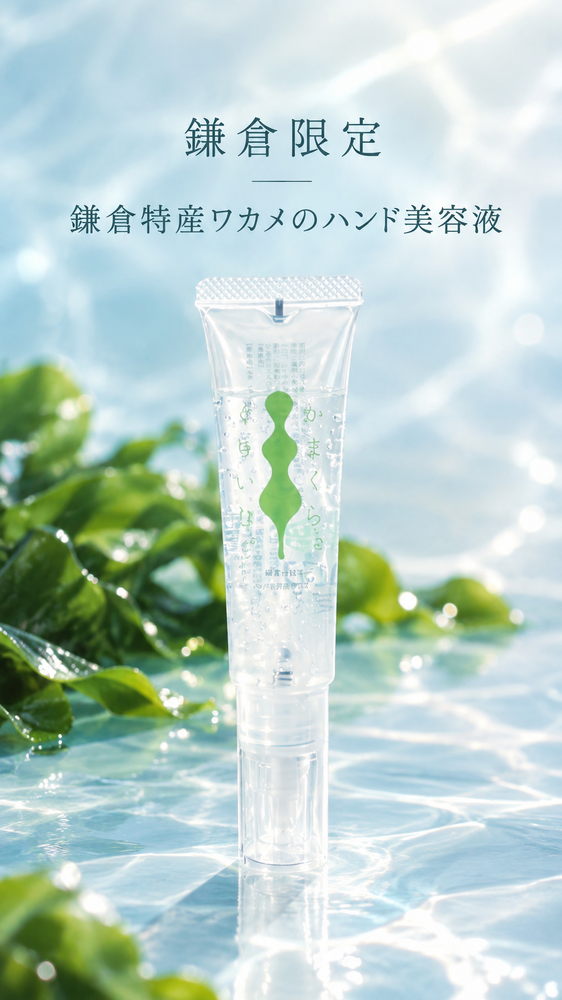
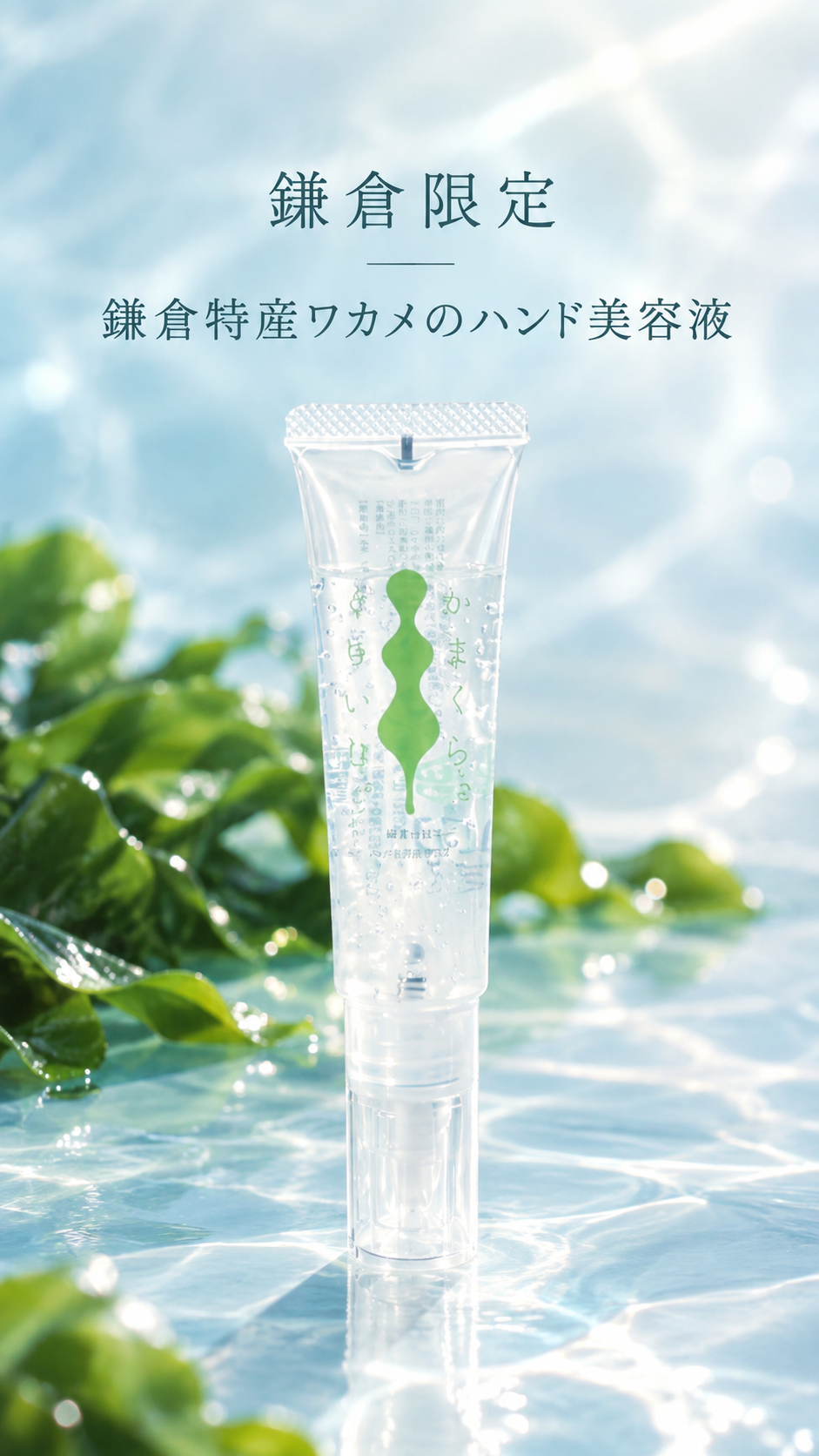
A new Kamakura souvenir that you can only find in Kamakura.
"Kamakura, Cream." is
This hand serum contains an extract derived from natural wakame seaweed, a specialty of Kamakura.
Made with only naturally derived ingredients and fragrance-free.
It has a light and refreshing feel, and moisturizes the skin on your hands.
Choose your favorite design for the packaging from approximately 70 different artworks.
These Kamakura souvenirs offer enjoyment not only in the time spent using them, but also in the time spent choosing them.
Experience the benefits of Kamakura wakame seaweed on your hands. Bring Kamakura art closer to you.
Kamakura Limited Edition
"Snow hut, cream."
#KamakuraTourism #KamakuraGourmet #KamakuraSouvenirs #KamakuraSpecialties #KamakuraTrip
目次
When choosing souvenirs from Kamakura, start by deciding who you'll be giving them to.
For family and friends, I choose gifts that reflect their preferences and convey memories of our travels.
For workplaces and large groups, we prioritize individual packaging and ease of carrying.
When choosing sweets as souvenirs from Kamakura, consider their shelf life and the timing of when you'll be giving them.
Baked goods and individually packaged sweets are also convenient for sharing.
For fresh pastries and items that require refrigeration, check the time and storage location after purchase.
When choosing Kamakura-style goods, prioritize both practicality and design.
When choosing cute accessories, I look at whether the colors and sizes fit in with everyday life.
When choosing a keychain, consider not only its commemorative value but also where you'll actually use it.
In tourist areas like Komachi Street, I plan the order in which I buy things and how I carry them around.
When I'm looking for something on Komachi Street, I decide on my purpose before I start looking around.
It's safest to buy fragile items and perishable goods at the end of your sightseeing trip.
Even inexpensive souvenirs from Kamakura can be chosen in a way that enhances satisfaction.
For items intended for distribution, we compare the price per person and ease of distribution.
For personal use, I choose items that I can enjoy for a long time, considering how often I'll use them.
If you're looking for souvenirs that can only be bought in Kamakura, it's important to check how to confirm their exclusivity.
You can distinguish between regionally exclusive items and those with a Kamakura motif by looking at the display or description.
When giving a limited edition item as a gift, I also check when it can be purchased and how to store it.
Choosing souvenirs that are less likely to disappoint, based on common customer inquiries.
How to choose souvenirs when you're wondering, "What should I buy in Kamakura?"
To answer the question, "Would a keychain be a good gift?", I'll start by explaining its intended use.
When buying side dishes or food souvenirs, be sure to check the taste and the conditions for taking them home.
When choosing side dishes for rice, select the appropriate amount based on the seasoning and the number of people eating.
Before purchasing food items, I check the expiration date and whether they can be taken home at room temperature.
When choosing souvenirs from Kamakura, start by deciding who you'll be giving them to.
Kamakura offers a wide variety of souvenirs, including sweets, trinkets, and side dishes. Thinking about who you'll be giving the gift to and the occasion will help narrow down your choices. Whether you're distributing them at work, sharing them with family, or keeping them as a memento of your trip will change what you prioritize. Consider your budget and how long it will take to carry them as well.
For family and friends, I choose gifts that reflect their preferences and convey memories of our travels.
When choosing souvenirs from Kamakura for family and friends, it's helpful to consider their usual preferences. For those with a sweet tooth, sweets are a good choice; for those who appreciate practical items for the dinner table, condiments or seasonings are suitable; and for those who want to keep a memento of their trip, stationery or fabric accessories are ideal. Think about items that suit their lifestyle. If you want to add a touch of Kamakura's unique character, look for designs that evoke the sea, temples, shrines, or townscape, or check the product's history and explanation. However, choosing solely based on appearance might result in items that don't suit their taste or aren't used often, so it's reassuring to consider their age and lifestyle as well.
Travelers might ask, "I want to give a gift that can only be bought in Kamakura, but I don't know what criteria to use." In that case, checking the product description to see if it uses local materials, if the design is based on Kamakura, or if it's only sold in limited locations will make it easier to explain why you chose it. Adding a short comment like, "This scenery reminded me of it," or "It reminded me of the places we walked together," will allow you to share not only the item itself but also memories of the trip.
If you're taking the gift back to a distant location, be sure to check how many days it will take to deliver and how to store it. For sweets, check the expiration date and whether they are individually packaged; for trinkets, consider their durability and size for easy transport. Focusing on the recipient's preferences and effortlessly combining travel memories with practicality will lead to choosing a gift that will be appreciated.
For workplaces and large groups, we prioritize individual packaging and ease of carrying.
When giving souvenirs from Kamakura to multiple people at work or at a gathering, consider not only the appearance and price, but also how easy they are to distribute and carry home. First, consider whether you can prepare a little more than the number of people you'll be giving them to. This will allow you to prepare for unexpected absences or if you need to give them to people in other departments as well. Individually packaged items are easy to hand out one by one, and recipients can eat them at their leisure. The fact that there is less hassle in dividing them up after opening the box is also helpful in the workplace.
Before purchasing, check the contents and number of items, and calculate how many you can give to each person. Even if the number of items is indicated on the box, it may not be one per person when divided among several people. Also, if the box is too big or heavy, it may be a burden when moving around during sightseeing or on the way home. If you plan to buy several souvenirs from Kamakura, it's a good idea to imagine the size of the items when they are in bags and check if you can carry them comfortably with your other luggage.
Expiration dates and storage instructions are also important items to consider, working backward from the day you plan to distribute the gifts. If you can't give them away immediately after returning from your trip, it's easier to choose items that can be stored at room temperature and have a long shelf life. In hot weather, be careful not to carry around sweets that melt easily or foods that require temperature control for extended periods. Checking the ingredients and allergy information also shows consideration for the recipient.
Since it's often difficult to know everyone's preferences at work, choosing gifts that aren't too strongly flavored or aromatic will make them easier to give. If the gift has packaging or a description that reflects Kamakura's style, you can also use it to talk about your trip when you hand them out. By first considering the number of people you'll be giving gifts to, the date, and how long it will take to carry them, you can choose a suitable gift that fits your budget.
When choosing sweets as souvenirs from Kamakura, consider their shelf life and the timing of when you'll be giving them.
Sweets are easy to give to a wide range of people, but their shelf life and storage methods vary depending on the type. It's important not to choose based solely on appearance, but to consider the time between purchase and giving, and how many people will be eating them. Checking the ingredients and allergy information will make your gift even more thoughtful.
Baked goods and individually packaged sweets are also convenient for sharing.
Baked goods and individually packaged sweets are easy choices when looking for souvenirs from Kamakura to distribute at work or gatherings. Because they are individually packaged, recipients can easily take them home even if they don't eat them on the spot, and it reduces the effort of portioning them out for the person distributing them. If you are giving them to multiple people, check the total number of items in the box and calculate whether there are enough for everyone. Choosing a few extra pieces rather than exactly the number of people will make it easier to handle any last-minute additions.
When comparing prices, it's helpful to consider not only the total cost of the box but also the estimated cost per person. However, don't just choose based on the lowest unit price; also check whether the items are individually packaged, whether the bags or boxes are easy to carry, and whether there's ample time before the expiration date. If you're distributing them at work, practical points include a size that doesn't take up much space on a desk and a shape that doesn't easily get your hands dirty. If the packaging has a Kamakura theme or includes a description that evokes the local area, it becomes easier to bring up travel-related topics when handing them out.
While baked goods are generally easy to carry, some types are fragile and their flavor and shape can change easily in hot weather. If you plan to walk for long periods while sightseeing, consider the sturdiness of the box and how long you'll be carrying it. Also, avoid placing heavy items on top of the sweets you buy, as they may crumble under the weight of other luggage if placed at the bottom of your bag.
Also, if you are unsure of any food allergies or dietary restrictions of the recipients, it's a good idea to check the ingredients list. Choosing individually packaged sweets that are less likely to be disliked and easy to distribute, and deciding in advance how many people will be receiving them, when you'll be giving them out, and how you'll need them to be transported, will help you avoid rushing when choosing souvenirs to give away.
For fresh pastries and items that require refrigeration, check the time and storage location after purchase.
Fresh pastries and items requiring refrigeration require more care in transport and storage compared to baked goods. Even if they are appealing as souvenirs from Kamakura, if you plan to continue sightseeing for a long time after purchasing them, you may worry about their quality if you buy them in advance. Before choosing, check the product's storage temperature, expiration date, best-before date, and how long you can carry it after purchase at the store. If it's difficult to judge from the label alone, you can ask the store staff, and they may be able to guide you on whether or not to include ice packs and how to transport the items.
If the journey home will take a long time, check if they can provide ice packs or if a cooler bag is needed. Ice packs have a limited cooling time, so they may not be sufficient for long journeys or detours on hot days. Also, consider whether there is a place to put the item in a refrigerator after purchase, and whether the recipient can store it properly until they receive it. For people you can't give the gift to immediately, it's more practical to choose an item with a longer shelf life.
Fresh confectionery is a good choice for gifts that can be enjoyed the same day or as a family souvenir that can be enjoyed immediately upon returning home. On the other hand, when bringing gifts to the workplace, the location of the gift also matters, such as whether a refrigerator is available or whether the recipient can take it home immediately. If there is a possibility that the gift will be left at room temperature until the recipient takes it home, it is necessary to avoid items that require refrigeration.
If you want to buy something you found while sightseeing later, it's helpful to note down the store's location, product name, and opening hours, and check if you can stop by just before you leave. You can also ask if they offer reservations or delivery. Don't just decide based on its special appearance; first consider the time between purchase and consumption, and where you'll store it. This will help you choose a souvenir you can give with confidence.
When choosing Kamakura-style goods, prioritize both practicality and design.
Unlike consumable souvenirs, the appeal of souvenir items lies in the fact that they evoke memories of your trip every time you use them. However, choosing something solely based on its cuteness may limit its usability. Consider the recipient's age and the style of their belongings, and look for a balance between practicality and design.
When choosing cute accessories, I look at whether the colors and sizes fit in with everyday life.
When choosing cute雑貨 (zakka - miscellaneous goods), consider not only the initial impression but also whether it will easily fit into the recipient's daily life. This will increase the likelihood that the gift will be used after it's given. If you're looking for stationery or fabric items as souvenirs from Kamakura, imagine how the colors and patterns will blend in with the recipient's everyday belongings. Bright colors and large patterns can be impressive if they suit their taste, but their use may be limited. If you're unsure of the recipient's preferences, it's easier to choose items with subdued colors or designs that subtly evoke Kamakura.
Size and weight also affect usability. If you use a small bag, choose items that aren't bulky; if you use stationery at work, choose items that won't take up too much space on your desk. Think specifically about how you'll use them. For fabric items, check the texture and thickness of the material, and whether they are washable. Ceramic and glass items may be visually appealing, but they could break on the way home. It's a good idea to check the packaging and whether they will get damaged when placed in your bag.
If a traveler asks for advice, saying, "I found some cute trinkets, but I'm not sure if the recipient will actually use them," it becomes easier to decide if you consider whether they can find a use for them in their daily life. Some people prefer stationery or fabric accessories that they can imagine using in their daily lives, rather than items that are just for decoration. Of course, if the recipient would be happy to display them as a souvenir of their trip, then designs that evoke the scenery or temples and shrines of Kamakura would also be a good option.
Unlike food, miscellaneous goods can last a long time for the recipient. It's important not to choose something based solely on your own preference, but to consider the color, size, material, and intended use. Choosing items that fit seamlessly into the recipient's lifestyle allows them to naturally incorporate travel memories into their daily life.
When choosing a keychain, consider not only its commemorative value but also where you'll actually use it.
Keychains are relatively easy to pick up and make great souvenirs that allow you to preserve the scenery and atmosphere of a place you visited during your travels. When choosing one as a souvenir from Kamakura, in addition to the cuteness of the design and its commemorative nature, consider where the recipient will use it. The appropriate size and shape will vary depending on whether they will attach it to their keys or use it as a bag marker. For people who keep it in their pocket with their keys, something that is not bulky or heavy is convenient, while for people who attach it to their bag, something with a sturdy clasp that won't easily come off is suitable.
While decorative items with large, three-dimensional designs are visually appealing, they can sometimes snag on other items in a bag or become bulky when keys are bundled together. Before purchasing, it's a good idea to check the clasps and connections to ensure they can withstand everyday use. If you're unsure of the recipient's preferences, choosing something with understated colors and shapes that subtly depicts Kamakura's sea, temples, shrines, or streetscapes will make it a suitable gift for a wide range of people.
Some people worry that keychains might look childish, but the impression they give depends on the design, material, and how they're used. If they're in muted colors and small in size, even adults can easily attach them to their keys or bags. However, if the recipient doesn't usually decorate their belongings, they might keep it as a memento but not use it regularly. Thinking about whether the recipient has any accessories on their bag or keys, or what kind of small items they usually use, can help you decide.
If it's difficult to imagine when it would be used, you might consider comparing it to stationery or fabric accessories, or other items with a clearer purpose. Choosing a size and design that won't be a burden for the recipient will make it easier for them to enjoy the souvenir of their trip in their daily life.
In tourist areas like Komachi Street, I plan the order in which I buy things and how I carry them around.
When you look for souvenirs while sightseeing, your luggage can get heavier, and you might realize you've forgotten to buy something. To keep things easy to walk around, it's best to look at potential purchases first and buy fragile items or things that need temperature control last. Plan your shopping carefully, taking into account crowded times and your travel routes.
When I'm looking for something on Komachi Street, I decide on my purpose before I start looking around.
In places like Komachi Street, where souvenir shops are clustered together, it's easy to get distracted by all the items you see and forget what you originally intended to buy. To avoid getting lost while walking around, it's helpful to decide on your purpose for looking for something before you start, such as "sweets for the office," "food for family," or "miscellaneous goods for yourself." If you also briefly consider who you'll be giving the gifts to, the number of people, and your budget, it will give you a basis for comparing your options.
When browsing stores, instead of buying something immediately, try comparing several items. Remember the price, quantity, expiration date, and portability of any items that catch your eye, and then compare them to your criteria at the end. If you plan to take photos, check if photography is allowed in the store and be careful not to obstruct other customers. If you have too many options, go back to your priorities, such as budget or the date you want to give the gift, to narrow down your choices and make it easier to decide.
Komachi Street can get crowded with tourists, and lingering in front of shops or along the walkways can obstruct the flow of people. If you find an item you're interested in, check it out briefly inside the shop, and then compare it or ask questions in a place where you won't be obstructing the flow of traffic so you can make your selection at your leisure. If you have large bags, it's a good idea to check if there's a place to leave your belongings before entering a shop that sells fragile items or food.
Decide beforehand whether you'll spend all your time looking for souvenirs in Kamakura at the end of your sightseeing, or browse little by little along the way, based on your travel plans. Checking out potential options beforehand will reduce the time you spend deciding when you leave. By deciding on your purpose and criteria before you start walking, you won't be overwhelmed by the sheer number of items and will be more likely to choose a souvenir you're happy with.
It's safest to buy fragile items and perishable goods at the end of your sightseeing trip.
For fragile items such as ceramics and glassware, and food items that require refrigeration, it's best to purchase them towards the end of your trip so you don't have to carry them around for extended periods while sightseeing. Buying them earlier increases the risk of damage from bumps during transit or spoilage due to heat. When looking for souvenirs in Kamakura, remember your choices by visiting shops and check if you can revisit them before you leave to make it easier to balance sightseeing and shopping.
If you're choosing fragile items, ask the store if they can provide cushioning material or a carrying box. Even if they're packaged, they can still get damaged if they move around in your bag. When taking them home, it's best to place them in a stable location and avoid putting them under other items. If you'll be traveling by train or on foot for a long time, consider the burden of carrying the items by hand when choosing the size and weight. If the store offers delivery, you can also check the shipping costs and expected arrival date before using that service.
For items requiring refrigeration, check whether ice packs are included and how long they can keep the items cool when purchasing. Even with ice packs, the temperature may not be maintained sufficiently if you continue sightseeing or take multiple train transfers. Consider whether you can put the items in the refrigerator immediately upon returning home, or whether the recipient can store them properly after receiving them. If there will be a long delay before the items are received, you may need to consider switching to items that can be taken home at room temperature.
When you find something during your sightseeing and plan to buy it later, it's a good idea to check the store's location, opening hours, and whether they offer reservations or delivery. Considering the fragility and temperature requirements when deciding the order in which you buy items will also help you bring them home safely.
Even inexpensive souvenirs from Kamakura can be chosen in a way that enhances satisfaction.
When you want to keep your budget down, the key is not to judge solely on the low unit price, but to consider whether it will be easy for the recipient to use and whether it will properly convey your feelings. If you are distributing to a large group, prioritize the number of items and packaging, and if it is for yourself, prioritize practicality. By changing your criteria according to the purpose, you can choose items that you are happy with without overspending.
For items intended for distribution, we compare the price per person and ease of distribution.
When choosing souvenirs from Kamakura to give away, it's helpful to compare prices not only by the total cost of the box but also by calculating the cost per person. For example, divide the price by the number of people you're giving them to to see if it fits your budget. However, if the number of items in the box is less than the number of people, you may need to add other items, which could increase the cost more than expected. Before purchasing, check the contents and make sure you have enough for the number of people you're giving them to, plus some extras.
Ease of distribution is also an important criterion. Individually packaged items are easy to hand out one by one, and recipients can eat them at their own convenience. If you're distributing them at work, consider whether they'll take up too much space on a desk and whether they can be eaten without getting your hands dirty. If you choose items that aren't individually packaged, check whether you'll need serving utensils or plates, and whether they're easy to store after opening, to avoid any problems when distributing them.
You don't have to decide solely based on the unit price just because you want to keep costs down. Checking whether there's enough time before the expiration date, whether it can be transported at room temperature, and whether you or your family can eat any leftovers will help minimize waste. Looking at the ingredients and allergy information is also a thoughtful gesture when giving items to multiple people. If you know that some people avoid certain ingredients, you can also prepare alternative options.
If the packaging evokes the essence of Kamakura, and the item includes an explanation of its origin, even inexpensive items can become a conversation starter about your trip. By comparing budget, quantity, distribution locations, and transport time, you can choose souvenirs that are easy for both the giver and the receiver to handle, rather than just focusing on the cheapest option.
For personal use, I choose items that I can enjoy for a long time, considering how often I'll use them.
When choosing souvenirs from Kamakura for yourself, don't just pick them up on a whim while you're excited about your trip. Think about how often you'll use them and how often you'll have opportunities to enjoy them after you get home. For example, if you choose stationery or fabric items that you use every day, you can recall your travel memories every time you pick them up. If you choose food items that you can use at the dinner table, it's a good idea to check whether they can be incorporated into your regular cooking and whether the quantity is manageable after opening.
Even if you like the design of a miscellaneous item, if you can't think of a use for it, it might end up just sitting in storage. Before purchasing, think about "where you'll use it" and "whether it will go with the items you already own" to make it easier to imagine situations where you'll use it. When choosing ceramics or glass products, consider the weight and the risk of breakage when you take them home. For food items, check the expiration date and storage instructions, and make sure you can store them in a suitable place as soon as you get home.
During a trip, you might find yourself wanting to buy things you didn't originally plan to. To prevent overspending, try setting a budget for yourself before you leave and categorizing your purchases into "items for everyday use" and "items to keep as souvenirs of your trip." If you're unsure, don't buy it immediately; you can look around other stores and then decide. Comparing multiple items can help you see what you truly want to bring home.
Since it's for yourself, you have more freedom in choosing than you would for a gift for someone else, but considering how often you'll use it and where you'll store it will help ensure lasting satisfaction. Decide whether you want to preserve memories of Kamakura or use it in your daily life after returning home, and choose an item that you're happy with within your budget. A souvenir that combines travel memories with everyday usability will allow you to reminisce about your time in Kamakura every time you pick it up.
If you're looking for souvenirs that can only be bought in Kamakura, it's important to check how to confirm their exclusivity.
Even if you want to give a gift that can only be bought in Kamakura, the meaning of "regionally exclusive" varies depending on the product and the time of year it's sold. By considering whether it uses local materials, features a design inspired by Kamakura, or is simply sold in limited locations, you can more easily explain its appeal to the recipient. Be sure to check the labels and product descriptions before making your selection.
You can distinguish between regionally exclusive items and those with a Kamakura motif by looking at the display or description.
When you want to give a souvenir that can only be bought in Kamakura, it's helpful to check what makes it exclusive so you can easily explain its appeal to the recipient. Even if a product features a design or name related to Kamakura, it doesn't necessarily mean it's only sold in Kamakura. On the other hand, some products use local materials or are only available at specific stores or in certain areas. Don't judge solely by appearance; check the packaging and product descriptions at the store.
Points to check include the origin of the raw materials, the place of manufacture, the sales location, and the sales period. For example, even if it says "made with Kamakura ingredients," not all ingredients may be locally sourced. If it says "Kamakura limited," reading the explanation will help avoid misunderstandings about the scope of the limitation. If you can't find detailed information, asking the store staff is one option.
Neither regionally exclusive products nor products featuring designs characteristic of Kamakura are inherently superior. If you want the recipient to feel a connection to the region, choose items that highlight the materials and manufacturing process. If you want them to recall the scenery of their trip, designs depicting the sea, temples, shrines, or townscapes are also options. The important thing is that the product description aligns with what you want to convey.
When giving a souvenir, adding phrases like "I found this in this place" or "I chose this because it reminded me of the scenery of Kamakura" conveys the reason behind your selection. Choosing based on clear labels and descriptions allows you to introduce the item's background naturally without unnecessarily emphasizing its exclusivity. Consider the recipient's preferences and ease of carrying, and choose a gift that they will appreciate without any hesitation.
When giving a limited edition item as a gift, I also check when it can be purchased and how to store it.
Seasonal and limited-quantity items are not always available under the same conditions. If you're choosing them as souvenirs from Kamakura, be sure to check the sales period and stock status at the store or in the product description. There's a possibility they might be sold out on the day of your trip, so if there's an item you really want to give as a gift, it's best to check the store's business days and sales period in advance. You can also ask if they offer reservations or delivery, but the conditions for these services vary from store to store.
After purchasing the item, consider the number of days until you give it to the recipient and check the expiration date and storage temperature. For food items, it's helpful to check not only the expiration date when unopened but also how to store it after opening, making it easier for the recipient to handle. For items that require refrigeration, consider the travel time home, the ambient temperature, and the duration of any ice packs. If you plan to take the item home a long distance, it's important to choose an item that can be stored without difficulty.
Even limited-edition goods may have different materials, colors, and patterns depending on the season. Before purchasing, check the fragility and packaging for easy transport, and consider whether it will be convenient for the recipient. Even if you are drawn to the word "limited edition," if it doesn't suit the recipient's taste or is difficult to store before they receive it, it will be difficult to give as a gift.
Instead of prioritizing only novelty, considering the timing of purchase, transport, storage, and the day of delivery as a whole will make choosing easier. Checking the background of the item and the reasons for its limited availability, and ensuring the recipient can easily accept and enjoy it, will lead to choosing a souvenir that truly conveys your feelings.
Choosing souvenirs that are less likely to disappoint, based on common customer inquiries.
When choosing souvenirs, common concerns include "I don't know what the recipient likes" and "I'm not sure how to convey the essence of Kamakura." This article outlines ways to narrow down your choices based on common traveler questions. Instead of pre-determining specific items, we'll introduce criteria for making decisions based on the recipient and the situation.
How to choose souvenirs when you're wondering, "What should I buy in Kamakura?"
If you're wondering, "What souvenirs should I buy in Kamakura?", first consider who you're giving them to, your budget, and how long you'll be carrying them around after purchase. For colleagues, individually packaged sweets that come in large quantities are good; for family, food or sweets tailored to their preferences; and for someone you want to keep as a memento of your trip, everyday items. Defining your purpose will help narrow down your choices. If it's for yourself, consider whether you'll use or enjoy it after returning home.
Travelers may ask for advice on whether to choose a standard item or something that embodies the essence of Kamakura. There's no need to choose one or the other. Even standard items can be given as gifts if the packaging or product description connects them to the local scenery or materials, allowing you to share travel stories. When choosing items with designs reminiscent of Kamakura, checking the label to see if it's a regional item or if it's specifically themed around Kamakura will make it easier to explain to the recipient.
Next, narrow down your choices to two or three options and compare their shelf life, individual packaging, storage temperature, weight, and fragility. For fresh sweets and items that require refrigeration, check the time elapsed since purchase, and for general goods, try to imagine when the recipient will use them. For people who don't like sweets, food items such as side dishes for rice are also options, but you need to check the flavor, quantity, and storage method.
If you wander around shops without a clear idea of what to buy, you might end up making a decision based solely on price or appearance. If you decide on the recipient, your budget, and how long it will take to carry the gift beforehand, your selection criteria will become clearer. Ultimately, it's important to choose an item that the recipient can accept without any difficulty, and that you can explain your reasons for choosing.
To answer the question, "Would a keychain be a good gift?", I'll start by explaining its intended use.
If you're wondering, "Will a keychain be appreciated?", first consider whether the recipient has a habit of attaching decorations to their keys or bag. For people who regularly use small accessories, it might be a welcome souvenir from Kamakura chosen during a trip. On the other hand, for people who keep their belongings as simple as possible, or who don't carry their keys in a bag, the opportunity to use it might be limited. Thinking about the recipient's lifestyle and belongings will help you make your decision.
When choosing, consider not only the appearance but also the size, weight, and the sturdiness of the hardware. If attaching it to keys, choose a shape that won't take up too much space in your pocket for easier handling. If attaching it to a bag, make sure the decorations won't snag on other items. If you're unsure of your preferences, choosing something with a subtle color and shape will make it easier to use every day. A design reminiscent of the sea or temples and shrines of Kamakura can also serve as a way to share memories of your trip.
If you're unsure whether a keychain would suit the recipient, try comparing it to other small items like stationery or fabric accessories. Items with a clear purpose are often easier to imagine being used. Of course, if the recipient would appreciate keeping it as a memento, you don't need to focus solely on practicality.
The important thing is not to assume that everyone will like it, but to choose something that the recipient is likely to use. If you don't know the recipient's preferences, using a size and design that won't be a burden as criteria will lead to a satisfactory choice.
When buying side dishes or food souvenirs, be sure to check the taste and the conditions for taking them home.
For someone who doesn't like sweets, food items such as side dishes for rice are also good options. When choosing food, there are many things to check, not just taste preferences, but also ingredients, expiration date, storage temperature, and how long it will take to get home. Thinking about the family size and how often they eat, and checking whether the quantity can be used up after opening, will make it easier for them to enjoy the gift after it's been given.
When choosing side dishes for rice, select the appropriate amount based on the seasoning and the number of people eating.
For someone who doesn't like sweets, rice accompaniments are also a good souvenir option from Kamakura. When choosing, first consider what kind of flavors the recipient usually prefers. Spicy or salty foods, or those with distinctive aromas, can be a matter of personal taste. It's a good idea to check the product description and ingredients list to see if the flavor and ingredients are likely to suit the recipient. If you know of any dietary restrictions or allergies, be sure to check that the product does not contain any of those ingredients.
Choose the quantity based on the recipient's family size and how often they eat. A larger quantity is convenient for families, but smaller portions may be more practical for someone living alone. While large-capacity products may seem like a good deal at first glance, there's a chance you won't be able to finish them after opening. Before purchasing, be sure to check the storage instructions after opening and whether refrigeration is required.
Also, the weight and ease of carrying vary depending on the container, such as jars or bags. If you plan to carry it around while sightseeing, make sure it fits in your bag and that there is little risk of leakage or breakage. While condiments that go well with rice are easy to incorporate into daily meals, they may end up being left over if the taste and quantity don't suit the recipient's lifestyle. Choosing a gift that considers the number of people who will be eating it and the storage conditions will make it easier for the recipient to enjoy it after receiving it.
Before purchasing food items, I check the expiration date and whether they can be taken home at room temperature.
If you're buying food as a souvenir from Kamakura, be sure to check the expiration date and storage instructions before purchasing. Even if an item can be stored at room temperature unopened, it may need to be refrigerated after opening. If you plan to give the gift the day after your trip or later, you'll also want to check if there's enough time before the recipient receives it before it expires.
When choosing items that require refrigeration, consider the travel time and temperature on your way home, and ask the store staff if they can provide ice packs. Since there is a limit to how long items can be kept cool, if you plan to continue sightseeing, you might want to make your purchases last. Even for foods that can be taken home at room temperature, check the label to see if they need to be kept away from direct sunlight and high temperatures.
When buying multiple food items, it's a good idea to carry items that require temperature control separately and store them in the appropriate place as soon as you get home. Check not only the expiration date, but also the storage temperature and how to handle them after opening, and choose items that the recipient can easily receive and enjoy.
