How to fully enjoy a solo trip to Kamakura | A model course for leisurely walking and tips for taking breaks #KamakuraSoloTrip #Kamakura #SoloTravel
query_builder
2026/10/24
sightseeingsightseeing

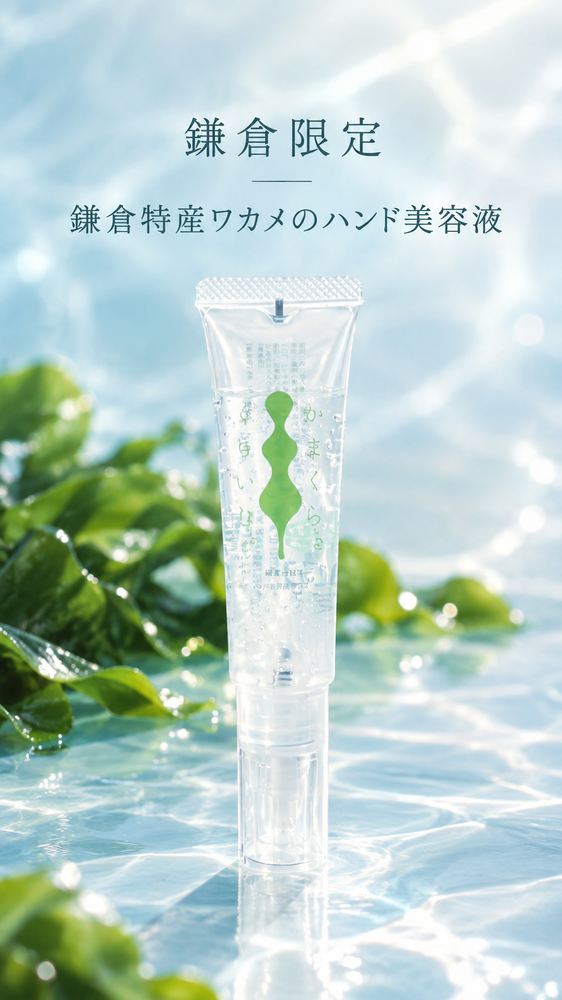
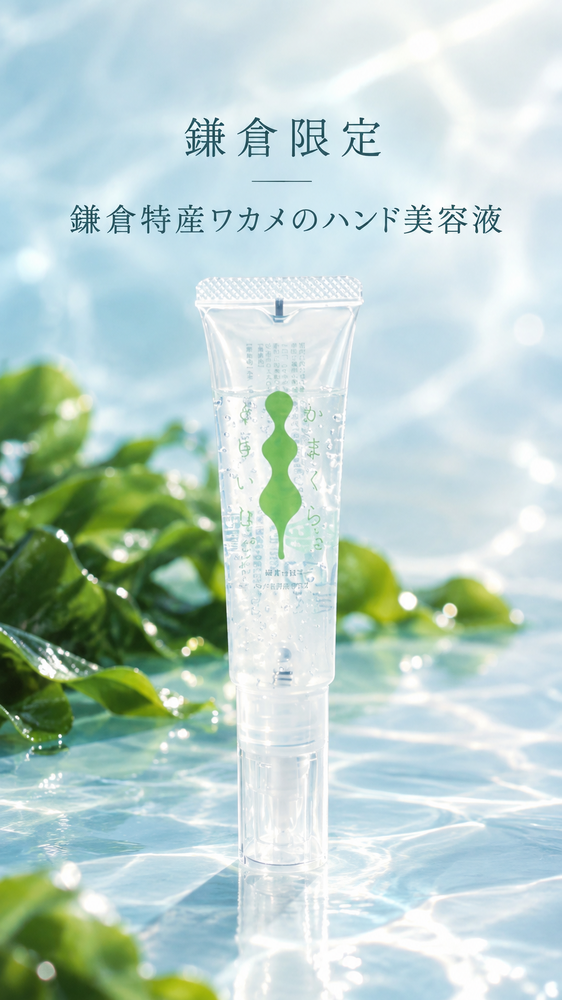
A special souvenir you can only find in Kamakura.
"Kamakura, Cream." is
Made with natural wakame seaweed, a specialty product of Kamakura.
This is a hand serum available exclusively in Kamakura.
Made using only naturally derived ingredients,
Fragrance-free, it provides a gentle, moisturizing feel for your hands.
The packaging is adorned with,
A variety of art related to Kamakura.
You also have time to choose your favorite design.
One of my memories of Kamakura.
For those looking for a Kamakura souvenir that isn't food,
It also makes a lovely little gift for someone special.
Apply Kamakura wakame seaweed to your hands.
Bring Kamakura art closer to you.
Kamakura Limited Edition
"Snow hut, cream."
#KamakuraTouristSightseeing #KamakuraJapaneseSweets #KamakuraGourmet #KamakuraTravel #KamakuraSouvenirs
目次
Key considerations when choosing souvenirs in Kamakura: How to convey memories of your trip.
The essence of Kamakura can be found in its materials, design, and connection to the land.
Decide who you'll be giving souvenirs to and your budget beforehand to make the selection process easier.
When choosing sweets as souvenirs from Kamakura, consider the taste, shelf life, and ease of handling of the packaging.
Choose snacks that are individually packaged and have a long shelf life, making them easy to share with colleagues at work.
Choose sweets based on their taste and appearance, which are characteristic of Kamakura.
When choosing cute souvenirs from Kamakura, practicality is also important.
Focus on everyday items and designs that evoke the scenery of Kamakura.
For small items like keychains, check the size and how easy they are to carry home.
In tourist areas like Komachi Street, plan your route carefully when searching for souvenirs.
When looking for souvenirs on Komachi Street, consider the crowds and how much your luggage will increase.
Separate items you want to buy at the end of your sightseeing from items you want to secure early.
When choosing souvenirs from Kamakura to give away, consider not only price but also ease of distribution.
Choose based on the number of people and budget, comparing individual packaging and contents.
Along with the price, I also consider how easy it is to carry and the impression it makes when given as a gift.
If you're creating a list of souvenirs from Kamakura, organize them by purpose: food and miscellaneous goods.
Organize the information by category: sweets, general goods, and food, and then categorize it by its uses and storage conditions.
When comparing options, prioritize compatibility with your itinerary over reviews.
A common question from customers: How can I find souvenirs that can only be bought in Kamakura?
To determine if a product is region-specific, check the product label and sales area.
When giving a gift, include a short message explaining why you chose it and sharing some memories of Kamakura.
Points to check to ensure you bring home souvenirs from Kamakura with peace of mind.
Before purchasing food, check the expiration date, temperature, and allergy information.
When choosing fragile or bulky items, consider the packaging and the amount of space available in the package.
Key considerations when choosing souvenirs in Kamakura: How to convey memories of your trip.
Souvenirs from Kamakura range from classic sweets to everyday items, offering a wide variety of choices that can make choosing difficult. First, consider who you're giving the gift to, your budget, and how long it will take to get home; this will help narrow down your options. Don't just choose based on appearance; also consider the Kamakura-esque feel and how to store the item.
The essence of Kamakura can be found in its materials, design, and connection to the land.
When looking for souvenirs that are uniquely Kamakura, it's helpful to consider not only whether the item is sold in Kamakura, but also its connection to the region. For example, items featuring designs reminiscent of the Shonan coast, temples and shrines, or old townscapes, or food products incorporating local ingredients, can evoke memories of the scenery and time spent during your trip. Don't judge solely by the product name or appearance; check the ingredients, place of manufacture, and origin of the design listed on the packaging and description.
We sometimes receive inquiries from customers saying, "I want to choose a souvenir that can only be bought in Kamakura, but I don't know what criteria to use." In such cases, we advise them not to assume that an item is limited edition just because it's sold in a specific location, but rather to check the label to see if it's store-exclusive, available for a limited time, or related to Kamakura. Even if the sales area isn't clearly defined, if an item evokes the scenery or culture of Kamakura, it can still be a good reason to choose it as a souvenir from your trip.
If you have vivid memories of walking along the beach, choosing a gift with a design reminiscent of waves or seashells will allow you to associate that memory with the item. If your trip involved visiting temples and shrines, you might consider choosing items with calm colors and traditional patterns. When giving the gift, adding a comment like, "I found this while strolling around and it reminded me of the scenery of Kamakura, so I chose it," can spark a conversation about the item.
When choosing souvenirs from Kamakura, you don't need to rely solely on brand recognition or reputation. Considering the impression of your trip that you want to convey to the recipient, and checking the materials, design, and connection to the local area, will help you find a unique item that reflects your own style.
Decide who you'll be giving souvenirs to and your budget beforehand to make the selection process easier.
Before choosing souvenirs from Kamakura, it's helpful to decide who you're giving them to, how many you need, and your budget. This will make it easier to choose at the shops. For family, consider food items or daily necessities tailored to their preferences; for friends, choose trinkets that could spark conversation about your trip; and for colleagues, opt for individually packaged sweets that are easy to distribute among everyone. Your choice will vary depending on your relationship with the recipient and the occasion. Before searching for options, think about "who you're giving them to and what feelings you want to convey."
When customers ask for advice, saying, "I want to buy something for both my workplace and my family, but I can't decide what and how many to buy," I first advise them to make a list of the recipients and write down the number of people and the budget per person. For example, for the workplace, prioritize ease of distribution and quantity, and for family, choose according to preferences and the number of people eating. This makes it easier to avoid buying more of the same item than necessary. It's also reassuring to consider the cost of bags and ice packs if needed when calculating the budget, in addition to the price of the items themselves.
When giving food as a gift, be sure to consider the recipient's preferences, allergies, and dietary restrictions. If you're unsure, you can check the ingredients list or consider non-food items. With non-food items, imagining how the recipient will use them, their preferred colors, and where they'll place them after taking them home will help prevent you from choosing something based solely on appearance.
Also, the time it will take to bring the souvenirs home and the amount of luggage you'll be carrying are points to consider along with your budget. The ease of handling refrigerated food items and large items will vary depending on the mode of transport. If you decide in advance who you're giving the souvenirs to, how many people they are, your budget, and how you'll be bringing them home, you'll have a clearer standard for choosing souvenirs from Kamakura, making it easier to compare options calmly while you're on your trip.
When choosing sweets as souvenirs from Kamakura, consider the taste, shelf life, and ease of handling of the packaging.
When choosing sweets as souvenirs from Kamakura, consider not only the flavor preferences but also the number of days before giving them away and how long they will be carried. Individually wrapped items are easy to distribute, and boxed items give a more formal impression, but some items are susceptible to temperature changes and impacts. It's a good idea to check the label before purchasing.
Choose snacks that are individually packaged and have a long shelf life, making them easy to share with colleagues at work.
When choosing souvenirs from Kamakura for colleagues, in addition to taste and appearance, make sure you can distribute them easily to everyone. Individually packaged sweets are convenient for recipients to eat at their own convenience, and reduce the effort required for those distributing them. Adding a few extra pieces to the required number makes it easier to accommodate sudden changes in the number of people. If you choose boxed products, check before purchasing whether the number indicated is enough for the number of people you actually want to give them to.
The expiration date is also an important item to check. You may not be able to give the gift immediately after returning from your trip, so it's best to choose something with plenty of time between the purchase date and the day you give it. However, even items with a long shelf life may have specific storage instructions. Read the packaging to see if it needs to be kept away from direct sunlight and high temperatures and humidity, or if refrigeration is required, and make sure you can store it properly from the time you bring it home until you give it to the recipient.
Customers sometimes ask, "I want to choose something to give to my colleagues at work, but will it be okay to carry around while sightseeing?" In such cases, in addition to the size and weight of the box, it's helpful to also check whether the item is resistant to damage from impact and whether the individual packaging is durable. For items that are sensitive to temperature, such as cream-based sweets, you also need to consider the time of purchase and how you will carry them.
Also, imagine the scenario in which you'll be distributing them at work, and consider whether they can be eaten without getting your hands dirty and whether the smell isn't too strong. Choosing items with designs and flavors that are characteristic of Kamakura, while also checking the quantity, shelf life, storage conditions, and ease of transport, will lead to souvenir selections that are less burdensome for both the giver and the receiver.
Choose sweets based on their taste and appearance, which are characteristic of Kamakura.
Once you've narrowed down your choices for office sweets based on individual packaging and shelf life, the next step is to consider what aspects of Kamakura evoke the city. Taste, shape, and packaging design are just a few examples of the many elements that can bring to mind the area. Designs that evoke the seaside, or understated packaging reminiscent of temples, shrines, or townscapes, can even spark conversation when you hand them out. However, don't choose based solely on appearance; make sure the sweets suit the tastes of those who will be eating them.
If many people in your workplace have a sweet tooth, it's easier to choose from familiar types of sweets, such as baked goods or Japanese confectionery. You can also choose items with reduced sweetness, or those that highlight the aroma or fruit flavor. If you're unsure about the taste, read the ingredients and product description to check the materials used and the texture. Assorted sweets with multiple flavors are easy to give to people with different preferences, but be sure to check the label to make sure there are no ingredients that people dislike.
Customers sometimes ask, "I want to choose a sweet that's representative of Kamakura, but what exactly constitutes a 'Kamakura-style' sweet?" Instead of judging solely by the sales location, checking the product description to confirm the connection between the ingredients, shape, and the scenery depicted on the packaging and Kamakura makes it easier to explain your reasons for choosing it. If it's not explicitly stated whether it's a regional limited edition, instead of assuming it's a limited edition, it's more natural to add a comment like, "I liked the packaging that reminded me of the scenery of Kamakura."
Whether you prioritize taste or appearance depends on the recipient and the occasion. Considering factors like ease of eating and ingredients while keeping in mind the impression it makes as a Kamakura souvenir will help you choose a product that isn't solely focused on looks.
When choosing cute souvenirs from Kamakura, practicality is also important.
Unlike food, miscellaneous goods can be given as gifts without worrying about their shelf life, making them a great way to preserve travel memories for a long time. However, choosing solely based on cuteness can lead to gifts that are difficult to use or carry home. When selecting, consider the recipient's lifestyle and preferences, as well as the size, material, and practicality of the gift.
Focus on everyday items and designs that evoke the scenery of Kamakura.
When choosing souvenirs from Kamakura, consider not only their cute appearance but also how the recipient might use them in their daily life. Items like tenugui (Japanese hand towels), small cloth pouches, and stationery are practical and not bulky, making them easy for the recipient to incorporate into their daily life. On the other hand, decorative items can be a matter of personal preference depending on the room's atmosphere and where they will be placed. Thinking about the recipient's belongings and favorite colors, and imagining them using the item, will help narrow down your choices.
Designs that evoke the scenery of Kamakura can also be a helpful guide when choosing souvenirs. Patterns reminiscent of the sea, waves, temples and shrines, and old townscapes offer the joy of bringing back scenery seen on your travels. However, if you are curious about the origin of the design, be sure to check the product description or store information. Knowing whether the design is presented as being related to Kamakura or is simply a favorite item found during travels will help you explain it without misunderstanding when giving it as a gift.
Customers sometimes ask us, "I want to give a memorable gift, but I'm worried it might end up being stored away without being used." In such cases, it's a good idea to look for something similar to the tools or items the recipient usually uses or carries around. For example, stationery for someone who frequently uses a planner, or fabric accessories for someone who is often out and about. Checking the materials and how to care for the item will also help you determine if it will be used for a long time.
When choosing souvenirs from Kamakura, it's important to consider both the design that evokes memories of the trip and its practicality. By considering the recipient's preferences and checking the size, material, and ease of care, you'll be more likely to find items that they can use in their daily lives even after receiving them as gifts.
For small items like keychains, check the size and how easy they are to carry home.
Keychains and small ornaments are easy to carry around as souvenirs from Kamakura and are easy to give to family and friends. When you pick one up, first check its size and weight, and consider whether it will be easy for the recipient to attach to their keys or bag. Large ornaments are eye-catching, but they may be too heavy to carry around with keys. Conversely, even small items with protruding shapes may get caught on other things in a bag, so it's best to imagine how it will be used before choosing.
If you're looking for a design that evokes Kamakura, look for patterns that suggest the sea, temples and shrines, or the townscape. However, don't just look at the appearance; also check the fastening and finish of the metal fittings. Checking in the store, within reasonable limits, whether the metal fittings are loose or whether the decorative parts are likely to come off will reduce worries after purchase. If you're giving gifts to multiple people, changing the color or pattern for each person will convey your thoughtfulness.
Customers sometimes ask, "I want to buy several small items, but will they get damaged in my luggage on the way home?" In such cases, you can check whether they offer gift wrapping and whether they can be wrapped in a way that prevents items from bumping into each other. Simply putting them all together in a thin bag may not be enough, as metal parts can rub against other items and cause damage. It's easier to carry them home if you separate them into smaller bags after purchase.
Small souvenirs are easy to choose, but buying several can be surprisingly bulky. Before purchasing, check your luggage space and return travel plans, and consider factors such as fragility and packaging. Checking the size, weight, and ease of use will help you choose an item that's perfect as a souvenir of your trip.
In tourist areas like Komachi Street, plan your route carefully when searching for souvenirs.
If you're looking for souvenirs while sightseeing, planning where to stop and when to buy them will reduce the burden of luggage and time. In busy areas like Komachi Street, even if you find something you like, it's a good idea to check its fragility and how long it will take to carry before purchasing.
When looking for souvenirs on Komachi Street, consider the crowds and how much your luggage will increase.
If you're looking for souvenirs in Kamakura on Komachi Street, it's a good idea to consider not only the time you'll have to shop, but also the crowds and how your luggage will accumulate, to make your sightseeing easier. During peak hours, it can be difficult to stop and browse. When you find a shop that interests you, be considerate of those around you so as not to block the aisle, and make your purchase when you can calmly examine the items inside the store. The level of crowding varies depending on the day and time, so it's important not to overschedule yourself and to leave some leeway.
Before buying souvenirs, it's a good idea to check how much room you have in your carry-on luggage. Even small items can become difficult to carry if you have too many paper bags or boxes. Having a foldable bag makes it easier to organize things, but make sure to keep fragile items and easily damaged food items separate from your other luggage. If you spend a long time walking around with your purchases in your hands, you'll get tired easily and you might forget them.
Customers sometimes ask, "Should I buy things I find while walking down Komachi Street right away, or should I buy them all at once at the end?" The key factors in deciding are how easy the items are to carry and how they can be stored. General goods and sweets that can be stored at room temperature and are not easily damaged are easier to choose later, while items with limited quantities or those that you're worried will sell out may be better purchased early after checking the store's information.
If you find food items, bottles, or ceramics that require refrigeration, consider the remaining time you have for sightseeing and your return journey before making a decision. It's also a good idea to ask the shop staff about refrigeration methods and packaging. By being mindful of the crowds and the amount of luggage you have, and planning your shopping order, you can enjoy souvenir shopping on Komachi Street without feeling overwhelmed.
Separate items you want to buy at the end of your sightseeing from items you want to secure early.
When sightseeing in Kamakura, you might find yourself wondering whether to buy souvenirs right away or on your way out. To make this decision easier, it's helpful to categorize items into "things to buy last" and "things to get early." Sweets and trinkets that can be stored at room temperature and are not easily damaged can be purchased towards the end of your sightseeing trip, minimizing the time you have to carry them around. Another advantage is that you can choose items while keeping an eye on the amount of luggage you have, making it easier to avoid overspending.
On the other hand, for items with limited quantities or those that are likely to sell out, you can check the availability at the store and purchase them early if necessary. However, if you buy them early, you must also consider how to store them and how long you will be transporting them. For foods that require refrigeration, check if you can get home immediately after purchase and if you can prepare ice packs or insulated bags. Since policies may vary from store to store, it is best to ask about storage conditions and transport guidelines when purchasing.
When customers ask for advice, saying, "I want to buy the item I want first, but I'm worried it might get damaged while sightseeing," we sometimes coordinate their itinerary and return travel time together. If you plan to walk for a long time after purchasing, you can reduce the burden by choosing items that can be carried at room temperature first and leaving temperature-sensitive items for last. For fragile items, consider the timing of your purchase to minimize the time you'll be carrying them.
When deciding the order in which to buy souvenirs, consider not only the possibility of items being sold out, but also their storage conditions, fragility, and the amount of luggage you'll be carrying. By dividing your purchases according to your travel plans, you can bring back your items without difficulty while also having more time for sightseeing.
When choosing souvenirs from Kamakura to give away, consider not only price but also ease of distribution.
When choosing souvenirs to give out at work or gatherings, it's important to stay within budget, ensure you can provide enough for everyone, and make them easy to hand out individually. Choosing solely based on price might result in unsuitable packaging or quantities. Organize the required number and the occasions for giving them out, and choose within reasonable limits.
Choose based on the number of people and budget, comparing individual packaging and contents.
When choosing souvenirs from Kamakura to give to colleagues or at gatherings, it's best to first determine the number of people you'll be giving them to and your total budget before searching. This will make it easier to compare options. In addition to the number of people you need to give them to, it's a good idea to budget a little extra to account for unexpected cancellations or additional distributions. Then, divide your budget by the price of the items to get an idea of how much you can spend per person. When comparing multiple products, be sure to check not only the price of the box but also the actual number of items inside.
Individually packaged products are convenient because they require less effort to portion out when distributing, and recipients can easily eat them at their convenience. Check if the number of items indicated is sufficient for the required quantity, and if there are multiple flavors, check the breakdown of contents. If dividing a large, non-individually packaged bag into smaller portions, consider whether you can use clean bags and tools, and whether you can convey information such as ingredients and expiration dates to the recipients. Depending on how you distribute them, it may be easier to choose products that are already individually packaged.
Customers sometimes ask us for advice, saying, "We need enough for everyone, but we can't find anything that fits our budget." In those cases, we advise them to compare not only the amount needed per person, but also how easy it is to distribute and the quantity of items. For example, even if there are many items, if the box is bulky or if the taste is likely to vary from person to person, it may not be suitable for the workplace. Conversely, even if it's a little more expensive, if it's individually packaged, comes in a consistent quantity, and is easy to carry, it might be a good choice.
It's important not to decide based solely on budget, but to also consider whether individual packaging is needed, the quantity, the types of flavors, and whether bags are required. Organizing the number of people and budget beforehand will make it easier to prepare souvenirs from Kamakura without any hassle and reduce misunderstandings when distributing them.
Along with the price, I also consider how easy it is to carry and the impression it makes when given as a gift.
When choosing souvenirs from Kamakura to give away, don't just compare prices and quantities; also consider whether they are easy to carry after purchase and whether they are suitable for the occasion. Large boxes can take up a lot of space in your luggage if you buy enough for everyone. Check the weight, shape, and whether a paper bag is included to ensure you can carry it around while sightseeing. For fragile sweets or food items that require temperature control, also check the travel time and how to store them after returning home.
Even when trying to keep costs down, it's important to consider whether the required number of items can be provided and whether the packaging is easy to distribute. Individually packaged items are easy to hand out one by one, and they require less effort to open a box and portion out. On the other hand, if you're dividing a large bag into smaller portions, consider whether it can be handled hygienically and whether you can clearly communicate the expiration date and ingredients. The most suitable format will also vary depending on whether you're leaving them in the break room for people to take freely or handing them out directly to people you meet.
Customers sometimes ask, "I found something affordable, but I'm worried it might seem too simple." In such cases, it's a good idea to consider not only how the packaging looks, but also the accompanying message. Even a short message like, "I found this while strolling around Kamakura," conveys that it's a souvenir from a trip. Even if it's not an expensive item, if there's a reason behind choosing it with the recipient in mind, it becomes a more readily accepted gift.
Comparing price, portability, distribution methods, and the impression given when presenting a gift together makes it easier to choose an item that fits your budget. Imagining how the gift will be used after purchase will lead to choosing a Kamakura souvenir that the recipient will be happy to give.
If you're creating a list of souvenirs from Kamakura, organize them by purpose: food and miscellaneous goods.
Comparing your options in a list helps prevent you from buying the same things repeatedly. Categorizing items into categories like sweets, trinkets, and side dishes, and noting who you're giving them to, how to store them, and your budget will make choosing easier. Keep the categories simple so you can refer back to them if you're unsure what to buy while traveling.
Organize the information by category: sweets, general goods, and food, and then categorize it by its uses and storage conditions.
When you're overwhelmed by the number of souvenir options in Kamakura, try creating a list by categorizing them into sweets, trinkets, and food items. This will make it easier to compare items that suit your purpose. In addition to the item name, write down who you're giving it to, your budget, the number you want to buy, and how easy it is to carry. This will also be helpful when making decisions in stores. Even just making a quick note on paper or your phone will help prevent you from buying the same kind of thing repeatedly or forgetting the number you need.
The items you should check vary depending on the type of gift. For sweets, record whether they are individually packaged, the quantity, the expiration date, and storage instructions. For general goods, in addition to size, weight, material, and care instructions, consider when the recipient will use them to make the selection easier. For food items such as condiments for rice, check whether they can be stored at room temperature, how to handle them after opening, and the ingredients and allergy information. For bottled or liquid items, compare weight, leakage, and breakage precautions.
Customers sometimes ask for advice, saying, "I've found a few options, but I don't know what criteria to use to compare them." In those cases, we first write down who the gift will be given to and their plans after purchase, and then guide them on how to compare the storage conditions and travel time for each item. For example, if it will take a long time to get home, they can either exclude foods that require refrigeration from their options or purchase them last, allowing them to choose according to their travel itinerary.
It's easier to stick to a list if you don't make it too detailed and focus only on the items you need. Organizing by type, recipient, budget, and storage requirements will help you prioritize when choosing souvenirs from Kamakura, reducing the chances of forgetting something or having trouble bringing them home.
When comparing options, prioritize compatibility with your itinerary over reviews.
When comparing potential souvenirs from Kamakura, reviews and word-of-mouth are helpful, but it's important not to make your decision based solely on those factors. You should also consider whether the item fits your travel itinerary. Even popular items might be inconvenient if they require long periods of carrying or refrigeration. Conversely, lesser-known items that suit the recipient's taste and can be transported at room temperature can be a convenient gift choice.
When comparing options, consider the travel time to and from your destination, the time you'll be carrying the items during sightseeing, available luggage space, and where you'll store them after purchase. If you're traveling by train or on foot, weight and box size can also be a burden. If you're choosing fragile or easily damaged sweets, check the packaging and whether they'll stay stable in your bag. For food items, make sure the expiration date and storage conditions are suitable for your itinerary.
Customers sometimes ask for advice, saying, "I want to buy a product that's popular through word of mouth, but it will take a long time to get home." In such cases, we discuss options together, such as purchasing it on the way out, checking in-store whether refrigeration is necessary, or choosing a different product that is easier to carry. While taking good reviews into consideration, prioritizing ease of transport will reduce the likelihood of problems after purchase.
When choosing souvenirs, it's more helpful to consider who you're giving them to and how you'll be taking them home, rather than relying on other people's reviews. Use online reviews as a starting point for finding potential gifts, but ultimately, choose based on the recipient's preferences and how well the gift fits their travel itinerary. This way, you can confidently bring home the items you find in Kamakura.
A common question from customers: How can I find souvenirs that can only be bought in Kamakura?
We often receive inquiries from people who want to give a gift that is representative of Kamakura, but are unsure which items are regionally exclusive. It's best not to assume an item is exclusive just because it's sold in a specific location; instead, check the product description, manufacturing location, and sales area. Considering the impression of travel you want to convey to the recipient will also help clarify your selection criteria.
To determine if a product is region-specific, check the product label and sales area.
When you want to give a souvenir that can only be bought in Kamakura, don't just judge it by where it's sold; check the labeling and sales area. The word "limited" can be used in various ways, such as items sold only in Kamakura stores, items sold only during certain seasons or periods, or items sold in specific regions. Reading the information in the store or on the packaging to confirm what makes it limited will help you communicate accurately to the recipient.
Product descriptions can provide clues about the place of manufacture, the materials used, and the origin of the design. Even if a product is sold in a store in Kamakura, it may be available in a wider area. On the other hand, even if it's not explicitly stated as a regional limited edition, items related to the scenery and culture of Kamakura can be a good reason to choose them as a souvenir of your trip. If you can't find detailed information, such as whether it's only sold at one store or is seasonal, you can always ask a store employee.
Customers sometimes ask, "If I bought this item in Kamakura, is it okay to tell them it's a Kamakura exclusive?" In such cases, it's more honest to say, "I found this when I visited Kamakura," rather than assuming it's an exclusive item based on something that can't be confirmed by the label. By adding the reason for choosing the item, you can convey a travel memory without relying on whether it's an exclusive or not.
When checking whether a product is regionally exclusive, it's important not to rely solely on the product name, but to also check the description and sales conditions. Introducing a product based on reliable information will reduce the chances of misunderstanding the recipient. Choose a product that reflects the essence of Kamakura, and include as much information as you can.
When giving a gift, include a short message explaining why you chose it and sharing some memories of Kamakura.
When giving a souvenir, adding a brief explanation of why you chose it or how you spent time in Kamakura, in addition to the item itself, will help convey your travel memories. Simply stating what you actually felt, such as "I found this on the day I walked along the beach" or "I chose this because it reminded me of the townscape," is sufficient. There's no need to create a special story or elaborate on the item's origin. Sharing your own words will create a conversation starter.
Sometimes customers ask me for advice, saying, "I chose something that feels very Kamakura-like, but I don't know how to explain it." In those cases, I ask them to recall what they felt when they saw the item or a landscape that left a lasting impression on them during their trip. For example, if the ocean pattern on the wrapping reminded them of a scene they saw while strolling around, they could say, "I chose this because it reminded me of the day I gazed at the sea." Even if you can't be sure whether an item is regionally exclusive, adding the fact that you actually found it in Kamakura makes for a believable explanation.
It's a good idea to adjust the length and style of your message depending on your relationship with the recipient. When handing them out at work, a simple "I went to Kamakura. Please take one if you'd like" is appropriate, while for family and friends, you could add a little about your trip. The key is to tailor your message to the situation. There's no need to speak at length when handing over the gift; a brief, easy-to-understand comment is sufficient.
Souvenirs from Kamakura deliver not only the item itself, but also the feelings behind its selection. By conveying the memories of the actual trip in an unadorned way, the souvenir becomes a catalyst for sharing memories, and the giver can more easily feel the meaning behind their choice.
Points to check to ensure you bring home souvenirs from Kamakura with peace of mind.
Choosing souvenirs isn't over once you've bought them; it's also important to ensure they arrive safely and are given to the recipient. Consider the time it takes to get home and your mode of transportation, and check how to handle items that are sensitive to temperature or impact. Leaving some room in your luggage before shopping will ensure a comfortable trip until the very end.
Before purchasing food, check the expiration date, temperature, and allergy information.
When choosing food items as souvenirs from Kamakura, be sure to check the expiration date and storage instructions before purchasing. It's important to consider whether there's enough time before you give them away and whether you can store them in a suitable place once you get home. Even items that can be stored at room temperature may have labels indicating that they should be kept away from high temperatures and direct sunlight. Since you'll likely be carrying them around for extended periods while traveling, also check if the items will fit your itinerary after purchase.
For foods that require refrigeration or freezing, check whether you need ice packs or insulated bags depending on the time it will take to get home and your mode of transport. You can also ask the store staff for guidance on how long it will take to carry the food, but since storage conditions vary from product to product, prioritize the information on the packaging. If you plan to carry the food for a long time during your trip, it will be easier to purchase it on your way back or choose items that can be taken home at room temperature.
It's also important to check the ingredients and allergy information. If you know the recipient has food allergies or dietary restrictions, make sure the product doesn't contain any of those ingredients. If you're unsure how to read the labels or feel the information is insufficient, you can ask a store employee or consider other non-food souvenirs.
Checking the expiration date, storage temperature, and ingredients before purchasing will make it easier to store the gift and show consideration for the recipient. Choosing a gift that you can confidently give, rather than just based on its appearance or its connection to Kamakura, will help ensure it is delivered safely and thoughtfully.
When choosing fragile or bulky items, consider the packaging and the amount of space available in the package.
If you're choosing fragile items like pottery or bottles as souvenirs from Kamakura, be sure to check the packaging before purchasing. It's a good idea to ask at the store whether they'll wrap them in cushioning material or provide a carrying bag. When taking them home, make sure the items don't move around in your bag and avoid placing them under heavy luggage.
When buying large items or boxed goods, consider not only whether they will fit in your carry-on luggage, but also whether you can comfortably carry them on your way home. Before purchasing, check the size and weight, and if you don't have enough room in your luggage, you can consider postponing the purchase or checking if delivery is possible. If you are buying multiple items, it's a good idea to divide the purchase order based on how easy they are to carry home.
When choosing souvenirs, it's important that they're easy to carry home after you've selected them. Check the packaging and the amount of space in your luggage, and choose a quantity that will allow you to comfortably enjoy your trip until the very end.
