How to fully enjoy a solo trip to Kamakura | A model course for leisurely walking and tips for taking breaks #KamakuraSoloTrip #Kamakura #SoloTravel
query_builder
2026/10/24
sightseeingsightseeing

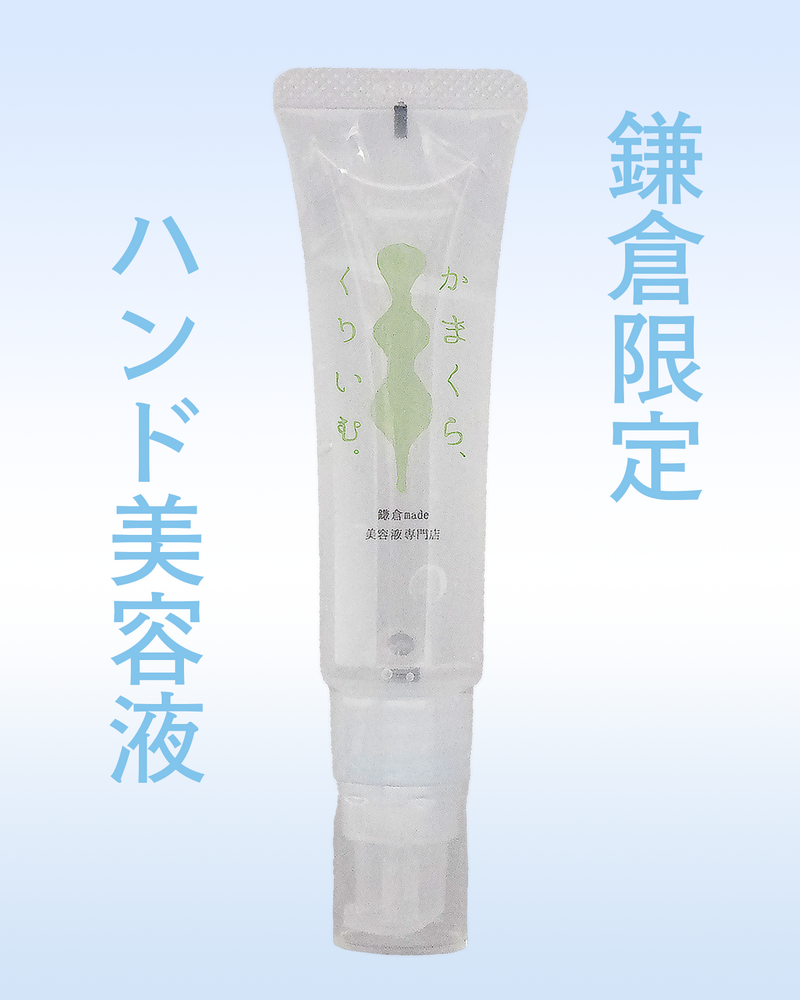
Kamakura, a historic city, is beloved by many tourists. This beautiful city has a variety of attractions that captivate visitors. This article will introduce you to "souvenirsfromkamakura," one of Kamakura's special charms. We will explore how to choose souvenirs based on the history and culture of the ancient city of Kamakura, and the charm of unique Kamakura products. Furthermore, we will include hints based on customer inquiries, delving into must-visit spots and recommended ways to enjoy your time in Kamakura. Reading this article will make your memories of Kamakura deeper and serve as the best guide to creating unforgettable moments. #travel #japan #scenic #temples #shopping
目次
The special charm of Kamakura and its background
The history and culture of the ancient city of Kamakura
The natural beauty of Kamakura's landscape
How to choose souvenirsfromkamakura
The appeal of traditional crafts
How to choose contemporary art and crafts
Recommended spots to consider together with visitors
Examples of inquiries received from customers
Must-see places and why
Enjoy the gourmet food of Kamakura
Dishes that make use of local ingredients
The allure of café culture and sweets
How to enjoy Kamakura in each season
Cherry blossoms in spring and greenery in early summer
Autumn leaves and the tranquility of winter
Memories to take home and their value
Memorable scenery and the warmth of people
What a special experience brings
A world that expands through interaction with local residents
What conversations with locals teach us
Hidden gems recommended by locals
Summary of my visit to Kamakura and the next steps
Reflections on the trip and what I learned
Things to try on your next visit
The special charm of Kamakura and its background
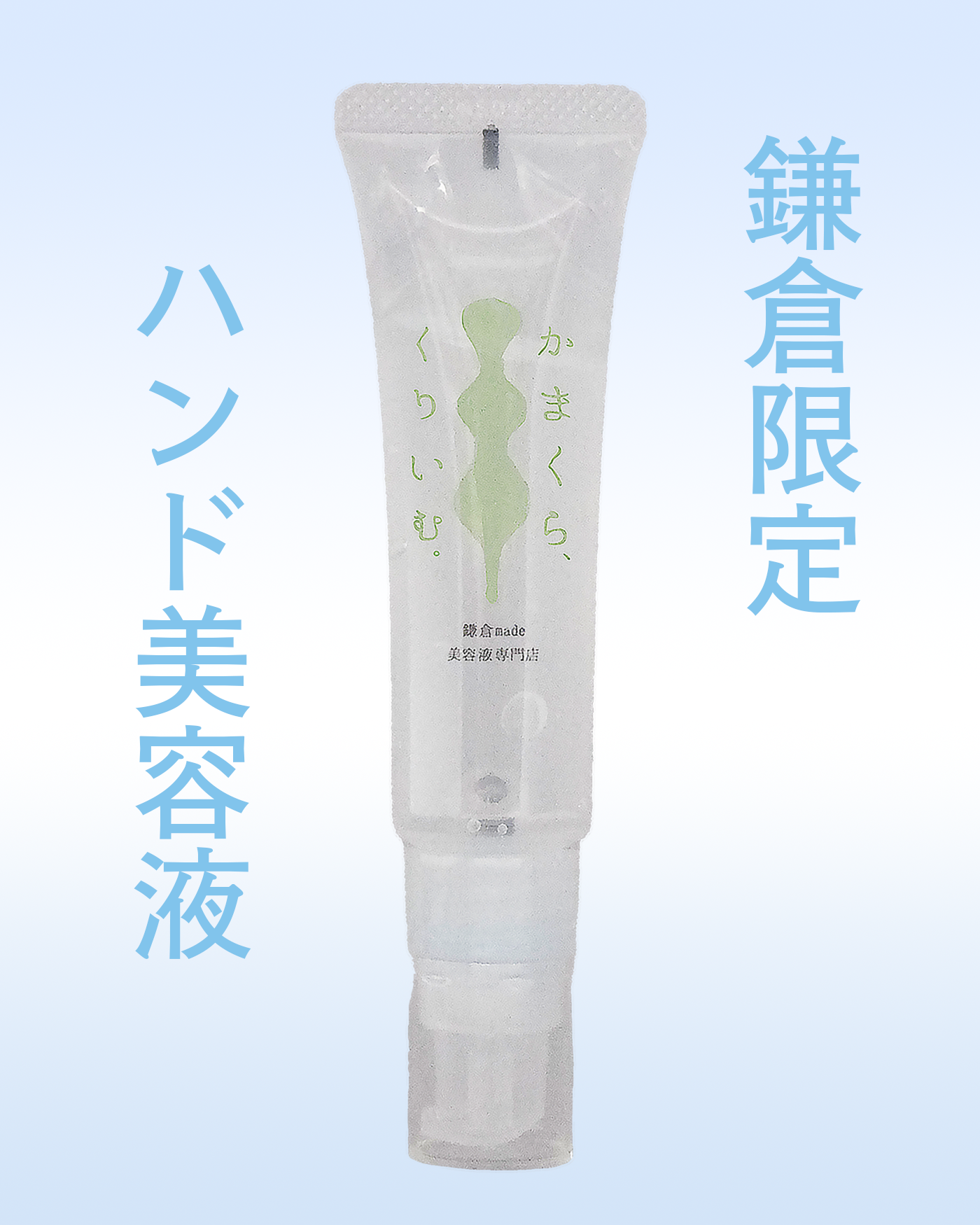
Kamakura attracts many tourists with its history, culture, and natural beauty. The unique charm of this city creates unforgettable memories for visitors. Here, we'll introduce the background and aspects of Kamakura's special appeal.
The history and culture of the ancient city of Kamakura
The ancient capital of Kamakura holds a special place in Japanese history. The Kamakura period, which lasted from 1192 to 1333, saw the establishment of a samurai government under the leadership of Minamoto no Yoritomo. During this time, Kamakura flourished as a political and cultural center, giving rise to many significant events. Subsequently, Kamakura served as the de facto capital, becoming a melting pot of diverse cultures and ideologies.
A visit to Kamakura allows you to strongly feel the remnants of history. For example, ancient temples such as Hase-dera and Engaku-ji boast magnificent architecture and offer a peaceful space. These temples are important places that convey the influence of Buddhism to the present day, and they provide visitors with a profound sense of culture. In particular, the statue of Kannon at Hase-dera is a captivating presence that draws people to our hearts as devotees.
Furthermore, the streets of Kamakura are home to numerous old Japanese houses and traditional townhouses. These buildings are important cultural heritage sites that convey past lifestyles to the present day, and visitors will be captivated by their beauty. In particular, the houses built to harmonize with the scenery of the four seasons give the feeling that time has stood still.
Furthermore, traditional crafts are thriving in Kamakura. Kamakura-bori (carved wood carvings), Kamakura incense, and local Japanese sweets reflect the local skills and culture. These products are popular souvenirs for visitors, and one of their attractions is the opportunity to experience the passion and skill of the artisans behind them.
Kamakura's history and culture offer a profound experience that goes beyond mere tourist attraction. Learning about its unique background enriches the meaning of visiting Kamakura even further. Spending special time in this beautiful ancient city while reflecting on its history will undoubtedly be a wonderful experience for visitors.
The natural beauty of Kamakura's landscape
Kamakura's charm lies not only in its historical background but also in its natural beauty. Surrounded by the sea and mountains, this region captivates visitors with its scenery that changes with the seasons. In particular, in spring, the cherry blossoms, a famous Kamakura attraction, spread across the landscape in magnificent glory, drawing many visitors. The cherry blossoms bloom especially beautifully around Hase-dera Temple and Tsurugaoka Hachimangu Shrine, and the area is bustling with people enjoying the blossoms. This beautiful cherry blossom season is also special for the locals, and it is one of the things they look forward to visiting every year.
In summer, Kamakura's coastline becomes bustling with people. The Shonan Sea displays a beautiful blue color, and you can see people enjoying surfing and beach volleyball. Yuigahama and Zaimokuza Beach are particularly popular spots, ideal places to enjoy swimming and sunsets. The opportunity to enjoy various activities while feeling the sea breeze is a major attraction of Kamakura.
In autumn, the vibrant autumn foliage colors the landscape of Kamakura. Around temples such as Engaku-ji and Jomyoji, the reds and oranges of the maple leaves are stunning, allowing visitors to enjoy the beauty of nature in a tranquil atmosphere. More and more people visit to take photographs or simply enjoy a stroll, spending a peaceful autumn moment. Kamakura in this season truly offers a special experience.
As winter arrives, the cold intensifies, but in return, you can enjoy a serene beauty. When it snows, Kamakura's temples and streets are enveloped in a fantastical scene. In particular, the snow-covered Great Buddha evokes deep emotion in many people. Winter in Kamakura offers a beautiful moment where nature and history blend together in tranquility.
Thus, Kamakura is a place where you can enjoy beautiful nature while feeling the changing seasons. The scenery, which shows a different face each time you visit, is a precious source of healing not only for tourists but also for locals. The beauty of the landscape woven by nature further enhances the charm of Kamakura and will surely be a memorable experience for visitors.
How to choose souvenirsfromkamakura
When choosing souvenirs from Kamakura, it's important to consider the stories behind them and the intentions of the creators. Here, we'll explain in detail the points to consider when choosing souvenirs from Kamakura.
The appeal of traditional crafts
One of Kamakura's charms lies in its traditional crafts. As an ancient capital, Kamakura thrives on the skills of artisans honed over long periods of time. These traditional crafts reflect the local culture and environment, offering visitors a special experience.
First, one of the famous crafts of Kamakura is "Kamakura-bori." Kamakura-bori is a craft made from wood, featuring intricate carvings. Due to its beauty and durability, it is used to make a variety of products, including furniture, tableware, and decorative items. The greatest features of Kamakura-bori are its delicate designs and the warmth that comes from being handcrafted. The artisans acquire their skills over many years and create each piece with care, so the works are imbued with the feelings of the artisans.
Next, a craft known as "Kamakura Incense" is also attracting attention. These fragrant incense sticks, which take advantage of Kamakura's climate and natural environment, have been loved by locals for generations. In particular, incense made with natural aromatic woods and plant materials emits a gentle fragrance, providing a relaxing experience. They are popular as gifts or as a treat for oneself, and are definitely something to pick up when you visit Kamakura.
Furthermore, in Kamakura, "wagashi" (Japanese sweets) can also be considered an important craft. Attention is paid not only to their delicious taste but also to their visual beauty. Made using local specialties and seasonal flowers, these colorful wagashi are a joy to behold. For example, during cherry blossom season, sakura mochi and wagashi shaped like cherry blossom petals appear, offering enjoyment throughout the seasons.
Traditional crafts are invaluable because they offer a glimpse into the history, techniques, and passion of the artisans behind them. Holding these items in your hands allows you to experience Kamakura's unique culture and stories. Visitors can enjoy a special experience, feeling a connection to Kamakura's history and its people, rather than simply purchasing souvenirs. When you visit Kamakura, be sure to experience the charm of traditional crafts. Each item will surely leave a lasting impression on your heart.
How to choose contemporary art and crafts
In Kamakura, in addition to traditional crafts, contemporary art and crafts are also gaining attention. In recent years, this area has become a hub for artists and creators, resulting in the creation of many unique works that reflect their innovative sensibilities and techniques. This article will introduce some points to consider when choosing and enjoying contemporary art and crafts.
First, when choosing contemporary art, it's a good idea to pay attention to the story and message embedded in the work. Artists in Kamakura incorporate diverse elements such as the local nature, history, and culture, expressing them from their own unique perspectives. Understanding the thoughts and ideals behind the work will lead to a deeper appreciation experience. Also, when visiting art galleries and shops, you'll have more opportunities to hear explanations from the artists themselves. Hearing directly from them will further enhance the appeal of the artwork.
Next, when choosing a craft item, it's important to pay attention to its texture and finish. Many craft items made in Kamakura have a warmth that comes from being handcrafted. By actually holding and touching them, you can feel the texture of the material and the effort of the craftsman. For example, ceramics and glass products each have their own unique characteristics, which are elements that attract the viewer's heart. In addition to beautiful colors and designs, considering ease of use and how to use them in daily life will help you make a better choice.
In recent years, there has also been an increase in works that fuse contemporary art and crafts. Many of these items combine design and practicality, offering the joy of incorporating art into everyday life. For example, unique tableware and interior goods can add color to daily life and beautifully decorate a room.
When choosing souvenirs, it's best to select something that appeals to you personally or something that suits the recipient's tastes. Kamakura's contemporary art and crafts truly embody the unique experiences of this region. By choosing in this way, you can deepen your memories of Kamakura and bring back a heartfelt souvenir. Art and crafts are not just objects; they are precious things that allow you to feel the thoughts and feelings put into them.
Recommended spots to consider together with visitors
Kamakura has many tourist attractions, making it difficult to choose which ones to visit. Here, we introduce recommended spots based on feedback from visitors.
Examples of inquiries received from customers
Visitors to Kamakura ask a variety of questions. The most common question is about recommended sightseeing spots. We often hear, "Where should I visit in Kamakura?" Especially for first-time visitors, famous landmarks such as the Great Buddha, Tsurugaoka Hachimangu Shrine, and Hase-dera Temple are recommended. These places combine historical significance with beautiful scenery, and are sure to leave a lasting impression on visitors.
We also frequently receive comments from people who want to visit many tourist spots and want to see them efficiently. In this case, it is important to propose a plan that takes the different areas of Kamakura into consideration. For example, the eastern area has Hase-dera Temple and the Great Buddha, while the western area has a concentration of gardens and Zen temples in Kita-Kamakura. By grouping sightseeing by area in this way, you can get around smoothly.
Furthermore, we receive many inquiries about food. When asked, "Are there any places where I can eat delicious Japanese food or sweets?", we often recommend restaurants that use local ingredients or stylish cafes. Dishes using Kamakura vegetables and seafood are particularly popular, and the appeal lies in being able to experience the local culture of Kamakura through the food.
We also receive inquiries about how to enjoy the area according to the season. In spring and autumn, we are often asked about spots to see flowers and autumn leaves, and we meet visitors' needs by suggesting seasonal events and activities. In winter, we sometimes tell visitors that they can enjoy the beauty of quiet temples and sacred sites.
Finally, we also receive inquiries about transportation, and a common question is, "How do I get to Kamakura?" We provide information on the nearest train stations, bus routes, and parking options to help make your visit smoother. By offering specific information and suggestions in response to these inquiries, we strive to make your trip to Kamakura more fulfilling.
Must-see places and why
Kamakura boasts numerous must-see attractions. Each place possesses a unique charm that is sure to deeply impress visitors. Here, we introduce some of our top recommendations and the reasons why.
First up is Tsurugaoka Hachimangu Shrine. This shrine, a symbol of Kamakura, was founded by Minamoto no Yoritomo and became a central place of worship during the Kamakura period. Its beautiful grounds, magnificent torii gate, and gardens, which offer different scenery throughout the seasons, attract many tourists. In particular, it is known for becoming a lively place when many people visit for Hatsumode (first shrine visit of the year) during the New Year.
Next, we mustn't forget the Great Buddha of Kamakura, also known as the Great Buddha of Kotoku-in Temple. This bronze Buddha, standing approximately 13 meters tall, is a representative tourist spot of Kamakura. Its presence and historical significance are overwhelming, and many visitors take pictures in front of it or simply gaze upon it in quiet contemplation. You can also tour the inside of the Buddha and, by touching its construction, you can reflect on the rich history of Kamakura.
Hase-dera Temple is another recommended spot. Here, along with its beautiful gardens, a statue of Kannon (Goddess of Mercy) is enshrined, attracting many worshippers. In particular, in spring, various flowers bloom in the temple grounds, welcoming visitors and allowing them to enjoy a beautiful sight. The opportunity to spend a quiet moment in front of the Kannon statue is also a unique charm of Hase-dera Temple.
Furthermore, Kita-Kamakura is dotted with Zen temples, and Engaku-ji and Kencho-ji in particular are of great historical value. At these temples, you can experience authentic Zen in tranquility and forget the hustle and bustle of modern life. By engaging with the teachings of Zen monks, you may find inner peace.
Finally, you can't miss the coastline of Kamakura. Yuigahama and Zaimokuza Beach are perfect for swimming and strolling, and the beauty of the sunsets is especially worth seeing. You can enjoy a truly refreshing moment while listening to the sound of the waves.
By visiting these famous spots, you'll be able to fully experience Kamakura's history, culture, and natural beauty. We hope you'll enjoy the unique charm of each place to the fullest.
Enjoy the gourmet food of Kamakura
Kamakura is a city where you can also enjoy its food culture. Delicious food enriches your travel memories. Here, we will introduce Kamakura's gourmet food and how to enjoy it in detail.
Dishes that make use of local ingredients
Kamakura is a region surrounded by beautiful nature and boasts an abundance of fresh, locally sourced ingredients. Dishes that utilize these local ingredients are loved not only by tourists but also by locals, and are one of the elements that enhance Kamakura's appeal.
First and foremost, the fresh seafood caught in the waters off Kamakura is a must-try dish. Sashimi and sushi made with freshly caught fish are especially exquisite. The fish, freshly caught by local fishermen, are exceptionally fresh and make for a truly flavorful dish. Restaurants near the fishing port offer fresh seafood bowls and set meals for lunch, and are bustling with tourists.
Next, don't miss the Kamakura vegetables grown in and around Kamakura. Different fresh vegetables are harvested each season and used in local restaurants. In particular, the vibrant winter vegetables of Kamakura and the fragrant leafy greens add a deep flavor to dishes. Many chefs offer salads, pasta, and other dishes using Kamakura vegetables, allowing you to enjoy their freshness and flavor.
Traditional Japanese cuisine using local ingredients is also popular. The local specialty, "shirasu donburi" (rice bowl topped with whitebait), is a dish that can only be enjoyed in Kamakura and is beloved by visitors. The simple yet exceptionally delicious rice topped with small whitebait is a must-try. Because this dish uses fresh, locally sourced whitebait, it's especially delicious when enjoyed during the season.
Furthermore, the café culture that takes advantage of Kamakura's rich natural environment is another highlight. A wide variety of sweets and drinks made with local ingredients are available, and desserts made with fresh fruit are particularly popular with visitors. The many Japanese-style sweets are not only visually appealing but also promise a memorable experience.
In this way, Kamakura's local ingredients showcase their charm through cuisine, offering visitors an irreplaceable taste experience. Enjoying Kamakura's food culture will surely deepen your travel memories.
The allure of café culture and sweets
Kamakura's café culture is loved by many as an integral part of the town's charm. In particular, cafés offering carefully selected coffee and sweets are havens for both tourists and locals alike. From stylish cafés that blend seamlessly into the charming streetscape to cozy spaces housed in renovated old houses, there are plenty of places that will soothe your soul just by visiting.
One of the best things to try at cafes in Kamakura is the sweets made with local ingredients. Kamakura is blessed with an abundance of fresh vegetables and fruits, and the sweets made with these ingredients are truly exceptional. For example, tarts and cakes made with locally grown fruits are not only visually appealing but also have a rich flavor. In particular, the desserts using seasonal fruits offer a new discovery with each visit, making them enjoyable every time.
Furthermore, Japanese-style sweets are another unique charm of Kamakura. The menu features a delightful fusion of Japanese and Western styles, including cakes made with matcha green tea and Western-style sweets that are variations on traditional Japanese confections. In particular, sweets incorporating Kamakura's famous "warabi mochi" and "daifuku" are loved by many. These are created through the meticulous handiwork of artisans, and are memorable for their crumbly texture and gentle sweetness.
Furthermore, the drinks available at the cafes are not to be missed. Cafes in Kamakura offer a wide variety of carefully selected beverages, including their own roasted coffee and herbal teas. In particular, the fresh herbal teas made with locally sourced herbs have an aroma and taste that brings relaxation and provides a pleasant moment.
Thus, Kamakura's café culture goes beyond mere dining, offering a special experience that nourishes the soul. When you visit, we highly recommend relaxing in a café and enjoying local sweets. Spend a special time with Kamakura's unique sweets.
How to enjoy Kamakura in each season
Kamakura is a place that shows different faces in each of the four seasons. There are different ways to enjoy it in each season. Here, we will introduce how to enjoy it in each season.
Cherry blossoms in spring and greenery in early summer
In spring, Kamakura is beautifully adorned with cherry blossoms. In particular, the cherry blossoms in full bloom around Tsurugaoka Hachimangu Shrine and Hase-dera Temple delight visitors. The sight of people leisurely enjoying cherry blossom viewing under the trees, or taking commemorative photos surrounded by the full bloom, is a charm unique to this time of year. The sight of the delicate cherry blossom petals dancing in the wind is like a painting, moving many people. Furthermore, the mild spring weather allows you to refresh your mind, which is another unique charm of this season.
As early summer approaches, the cherry blossoms fall, and the beauty of the fresh green leaves becomes apparent. During this season, the mountains and gardens of Kamakura are enveloped in vibrant green, allowing you to feel the breath of nature. In particular, the walking paths of Kita-Kamakura and the gardens of the Kamakura Museum of Literature are filled with a profusion of colorful flowers, creating a beautiful contrast with the fresh greenery. One of Kamakura's charms is that you can feel the changing seasons up close while strolling around.
Furthermore, many events are held during this time to enjoy nature. For example, there are markets featuring local farmers and events themed around flowers and greenery, giving visitors the opportunity to experience local culture and meet local people while enjoying the beautiful scenery.
The cherry blossoms of spring and the lush greenery of early summer are essential elements that express the natural beauty of Kamakura. Visitors can enjoy the changing seasons and fully experience the charm of Kamakura. Why not visit and spend a heartwarming time creating special memories?
Autumn leaves and the tranquility of winter
As autumn deepens, the landscape of Kamakura is enveloped in vibrant autumn foliage. In particular, temples such as Engaku-ji, Jomyoji, and Kencho-ji are popular spots to enjoy the various shades of maple leaves. The trees, dyed in red, orange, and yellow, captivate many tourists with their beauty, and there is a constant stream of visitors with cameras. In the tranquil atmosphere of the temples, you can enjoy a moment of peace as you gaze at the maple leaves swaying in the breeze.
Autumn foliage season is a perfect opportunity to experience the nature and history of Kamakura. Walking along the paths covered with fallen leaves and feeling the changing seasons is a special and memorable experience. Furthermore, the beautiful scenery of the temples against the backdrop of autumn leaves is like a painting.
When winter arrives, Kamakura is enveloped in silence. In the cold air, the temples and gardens become even more tranquil, creating a special atmosphere. If a light snow falls during this time, the Great Buddha of Kamakura and the ancient temples take on a fantastical appearance. The snow-covered landscape gives you the feeling of having wandered into another world.
Although it's a cold season, winter in Kamakura offers plenty of activities to enjoy. A leisurely stroll with a warm drink in hand is highly recommended, allowing you to forget the chill. Furthermore, the number of seasonal events and restaurants offering dishes made with local specialties is increasing, warmly welcoming visitors.
Autumn foliage and the tranquility of winter are essential elements for enjoying the nature and culture of Kamakura. Why not spend a heartwarming time appreciating the beauty of each season?
Memories to take home and their value
When you visit Kamakura, you'll be able to take home many memories. Let's consider how those memories can become valuable to you.
Memorable scenery and the warmth of people
A visit to Kamakura offers many memorable landscapes and encounters with warm-hearted people. Its location, surrounded by historical temples and beautiful nature, is sure to deeply impress visitors. For example, the view of the sea from Hase-dera Temple is a breathtaking sight that soothes the soul. You can enjoy the beauty of each season—cherry blossoms in spring, autumn leaves in fall—and those moments will become lifelong memories.
Another major attraction of visiting Kamakura is the warm interactions with its people. Locals are friendly to tourists and readily share information about tourist spots and restaurants. For example, they'll smile and answer your questions if you ask for directions, or recommend great places to eat. Such thoughtfulness creates a sense of security and genuine connection during your trip, making your memories even more special.
Furthermore, participating in local events and festivals offers opportunities to experience the local culture alongside the community. For example, seasonal festivals and markets feature local specialties and handmade goods, allowing you to feel the warmth of the people. Through these experiences, you'll realize that Kamakura is not just a tourist destination, but a special place that warms the heart. Memorable scenery and encounters with warm-hearted people are sure to enrich your memories of Kamakura.
What a special experience brings
A special experience in Kamakura will create precious memories that you can't get in your everyday life. For example, meditation in a quiet temple or time to calm your mind provides important moments to confront yourself, which are often forgotten in daily life. Also, by being surrounded by the beauty of nature, you will feel refreshed and relieved from stress.
Furthermore, interacting with locals deepens your understanding of the culture and history. Even if you're traveling alone, conversations with friendly locals allow you to learn about the charm and hidden stories of Kamakura, which is a special experience for visitors. The warmth and bonds gained from interacting with people can be said to be true treasures obtained through travel.
Special experiences can influence the rest of your life. The emotions and discoveries you gain in Kamakura will be etched in your heart, and may even bring about changes in your perspective and way of thinking in everyday life. In this way, a special moment in Kamakura will not only be memorable, but will also enrich your entire life. Let's cherish the experiences that remain in our hearts and use them to enrich our future travels and daily lives.
A world that expands through interaction with local residents
A trip to Kamakura offers many opportunities to learn through interactions with local residents. Experiencing the local culture and lifestyle will broaden your perspective on travel.
What conversations with locals teach us
When you visit Kamakura, conversations with the locals are a major part of the travel experience. Through these interactions, you can gain a deeper understanding of the region's history and culture, which you won't find in tourist guides or brochures. For example, people working in local shops and cafes often share their love for their town and their wisdom about living in harmony with nature.
During conversations, visitors can learn about local specialties, recommended restaurants, and hidden tourist spots, making it a valuable source of information. Furthermore, by experiencing the values and traditions that locals cherish in their daily lives, they can gain a unique perspective on the region.
Such interactions bring new discoveries and emotions that arise during your trip. It's not just sightseeing; experiencing the actual life in Kamakura makes the trip much more meaningful. Conversations with locals are an important element that conveys not only memorable experiences but also the atmosphere and passion of the place. Therefore, I recommend actively striking up conversations.
Hidden gems recommended by locals
Kamakura boasts numerous tourist attractions, but you shouldn't miss the hidden gems recommended by locals. These places, beloved by locals, are often little known to tourists and offer a truly unique experience.
For example, the small temples you can discover while strolling along the quiet mountain paths of Kita-Kamakura, and the art spaces where local artists exhibit their work, offer visitors peace and inspiration. Also, lesser-known beaches along the coast and hidden cafes frequented by locals offer special moments.
By visiting these hidden gems, you can not only discover new charms of Kamakura, but also gain a deeper understanding of the culture and lifestyles rooted in the land. Relying on information gathered through conversations with locals, be sure to visit these hidden spots and create your own special memories.
Summary of my visit to Kamakura and the next steps
Hopefully, this article has allowed you to rediscover the charm of Kamakura. Finally, we'll provide a summary of our trip and some tips for your next visit.
Reflections on the trip and what I learned
After your trip ends, it's important to take time to reflect. Looking back on your experience in Kamakura, you'll likely remember the historical sites, the beautiful nature, and the warm interactions with the locals. By considering how each experience impacted you, you can gain a deeper understanding of the meaning of your trip.
For example, quiet moments spent in temples or conversations with people encountered at hidden gems are etched in memory as special experiences distinct from mere sightseeing. The lessons and emotions gained from these moments can be applied to everyday life. Furthermore, encounters and discoveries during travel can sometimes offer new perspectives.
Reflecting on your trip in this way will enrich your memories of Kamakura. This experience will also be very helpful when planning your next trip. Please cherish the experiences that remain in your heart.
Things to try on your next visit
Next time you visit Kamakura, be sure to try something new. First, why not discover fresh ingredients at a local market and sample dishes loved by the locals? Dining at one of Kamakura's hidden gems is also highly recommended. Furthermore, visiting in different seasons will allow you to enjoy varying scenery and events.
Furthermore, visiting art galleries and studios is a great way to appreciate local art. You can directly experience the creative process and the artist's intentions, enriching your trip. Through these new experiences, you'll discover a different side of Kamakura's charm. Make your next visit another memorable and special one.
